

Jamestown’s plastic sea
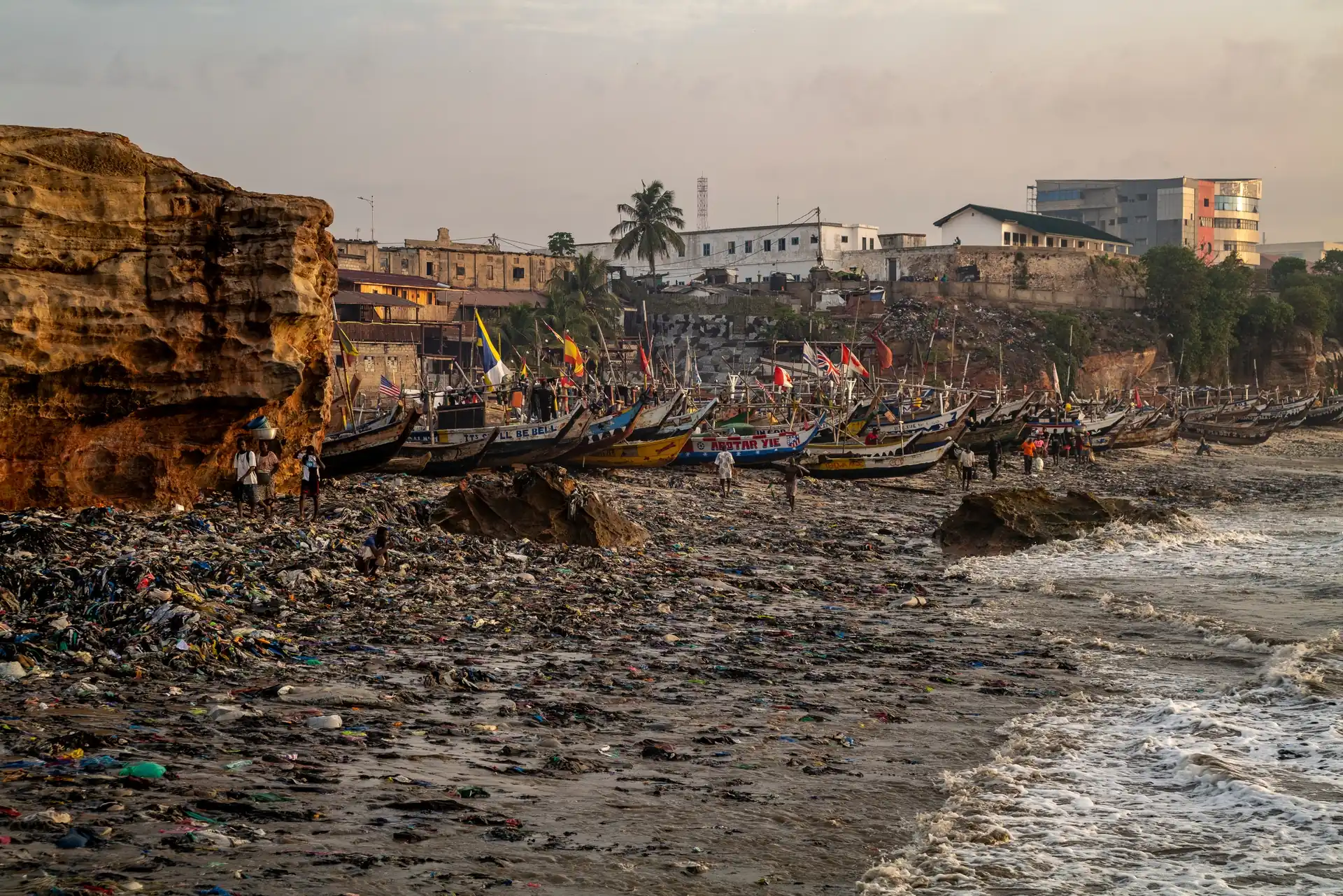
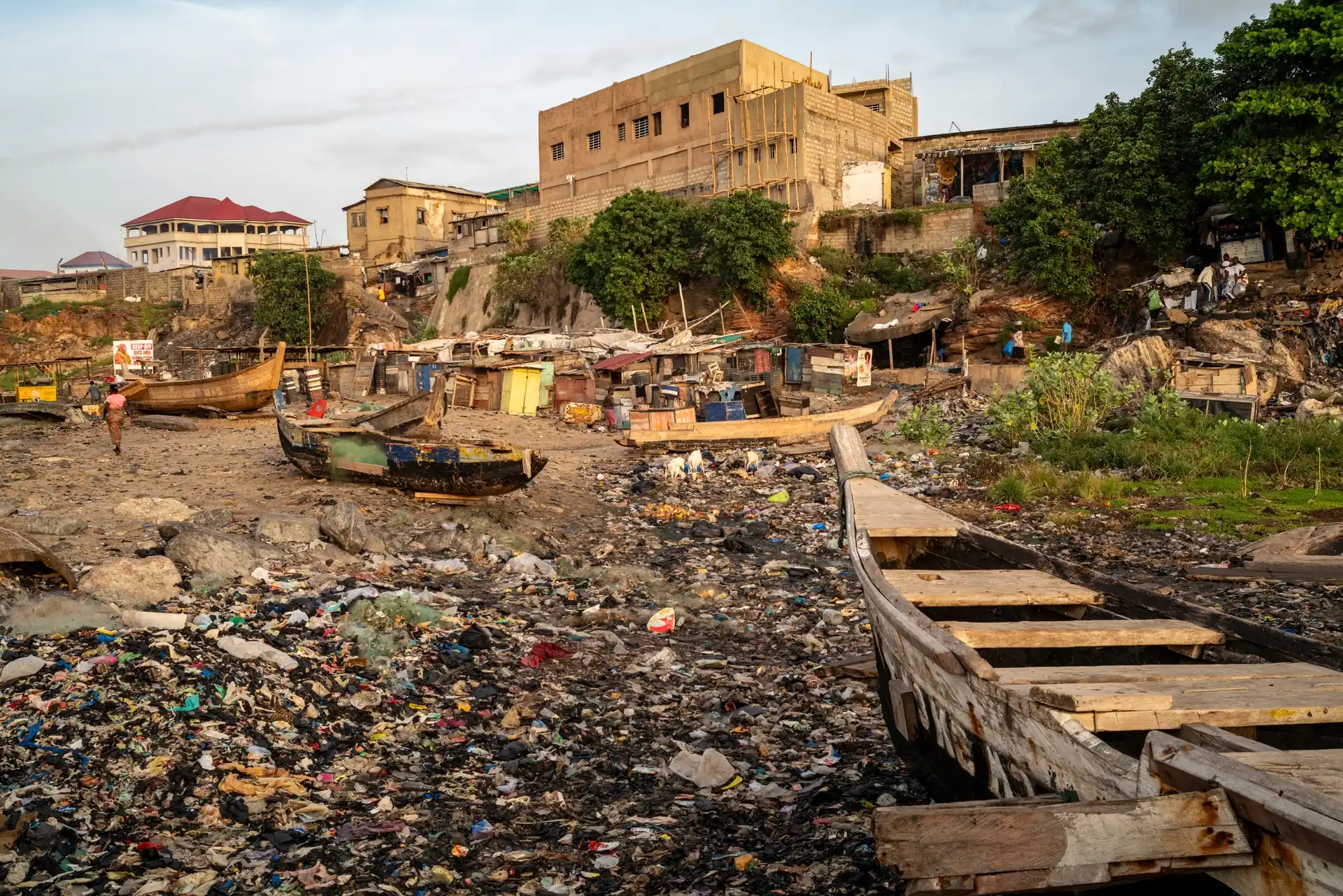
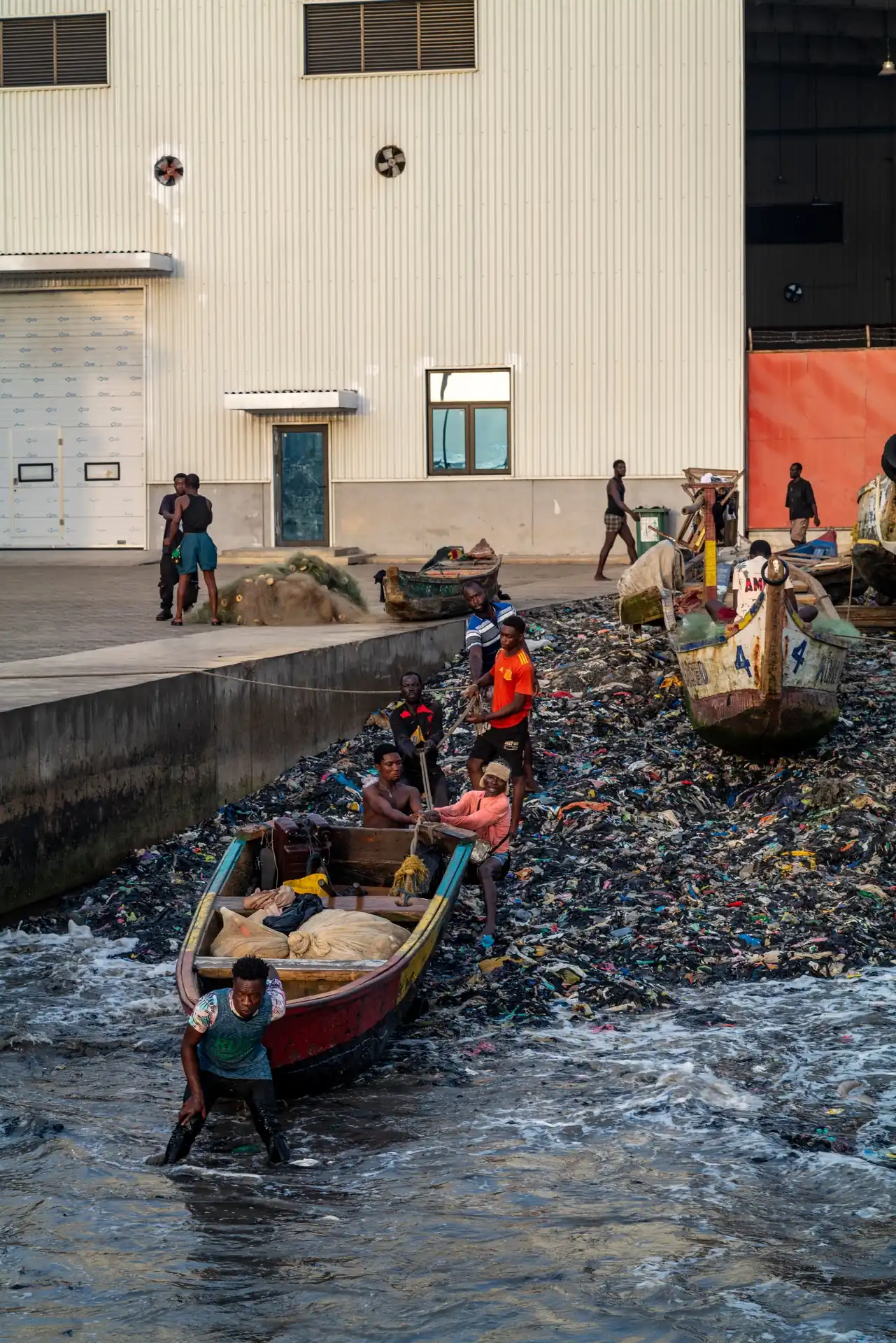
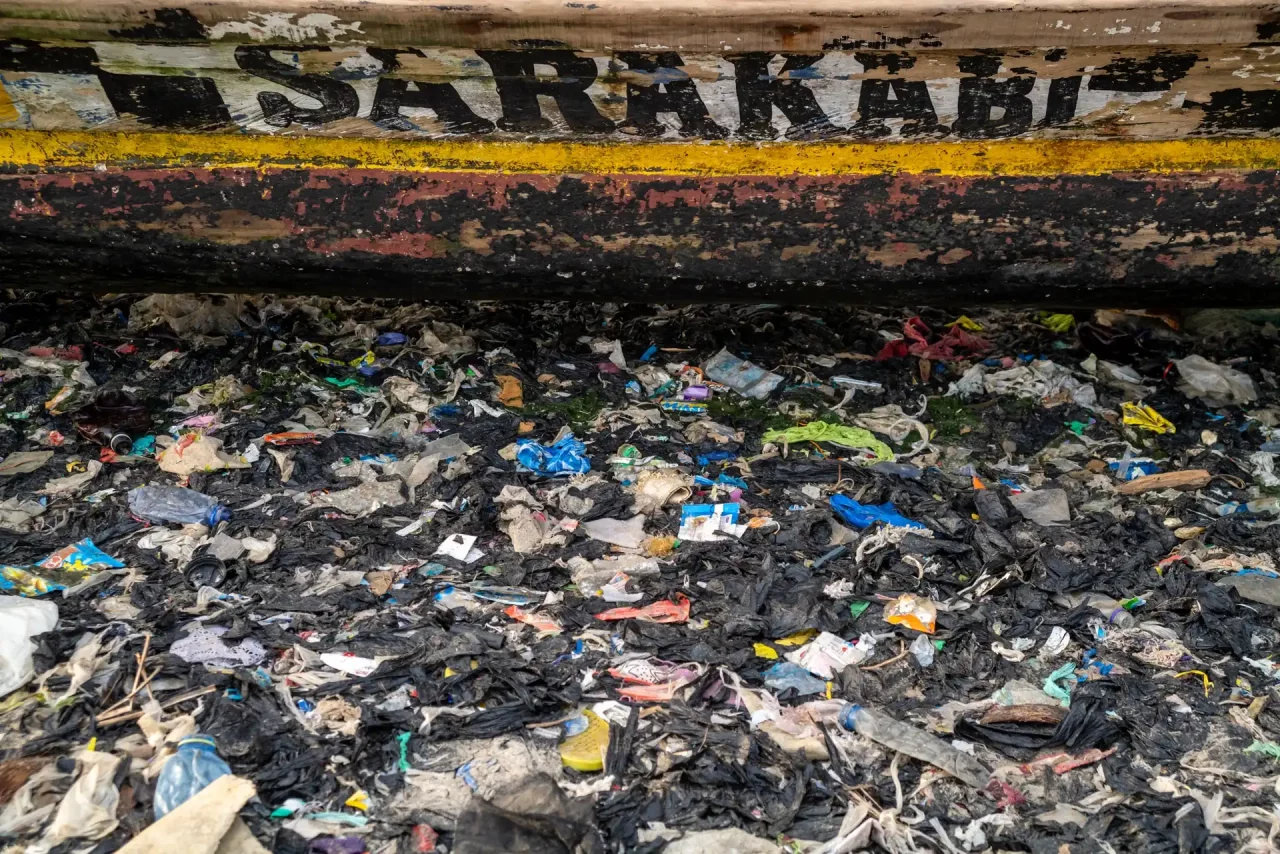
In Jamestown, an old fishing district of Accra, pirogues are hauled by hand across a shore covered in plastic waste. The district lies just east of the Korle Lagoon, where the Odaw empties, the main drainage channel for more than 80% of the city according to a University of Ghana researcher (JoyNews, June 2026). Nationally, Ghana produces about 840,000 tonnes of plastic waste a year; less than 10% is recycled and about 9% ends up in the ocean (Ministry of Environment, 2022). Photographed on 25 April 2026, this essay follows the shoreline from dawn to backlight: the new harbour, the nets, the shore, boats hauled through the waste.
Jamestown, the lighthouse and the new harbour
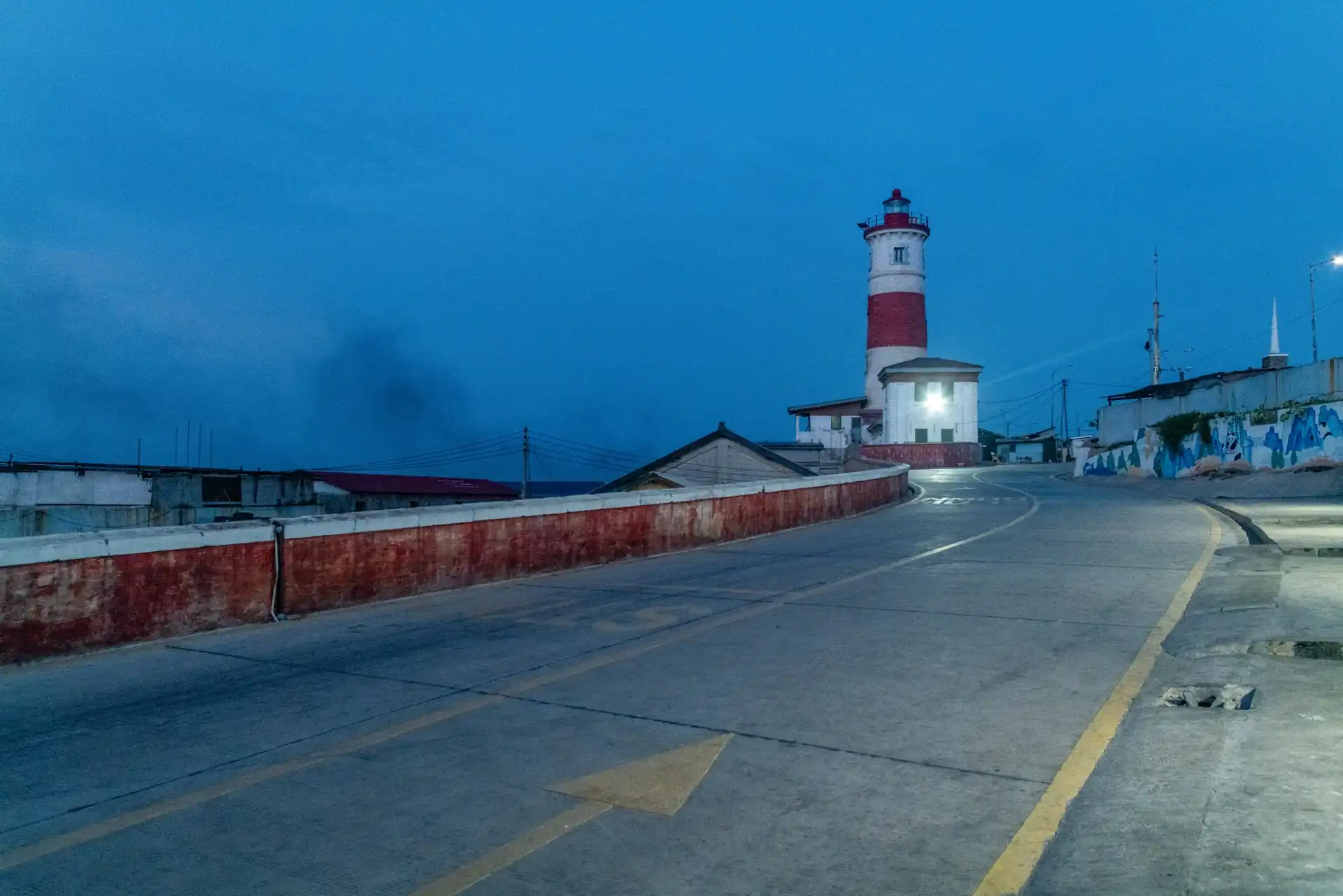
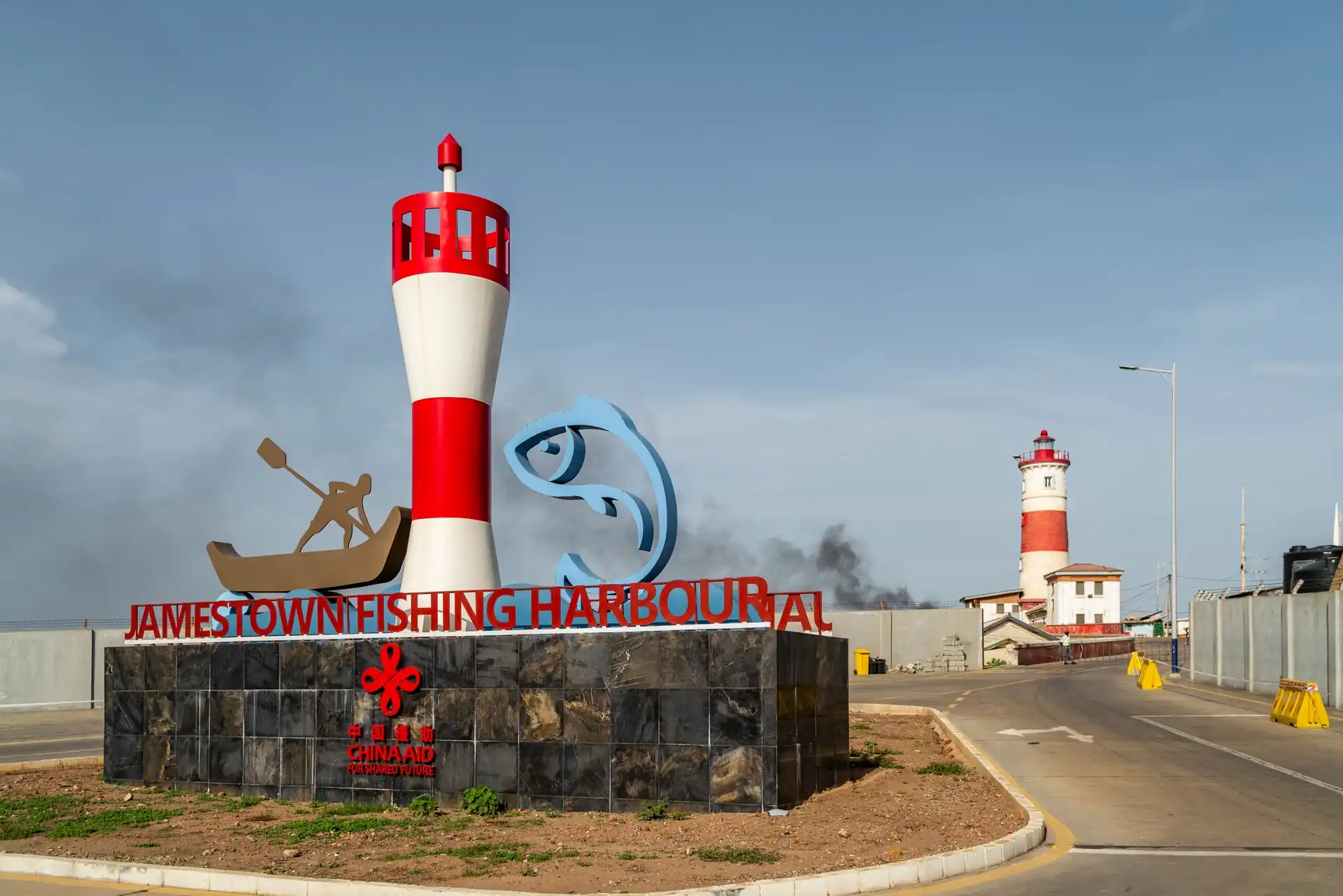
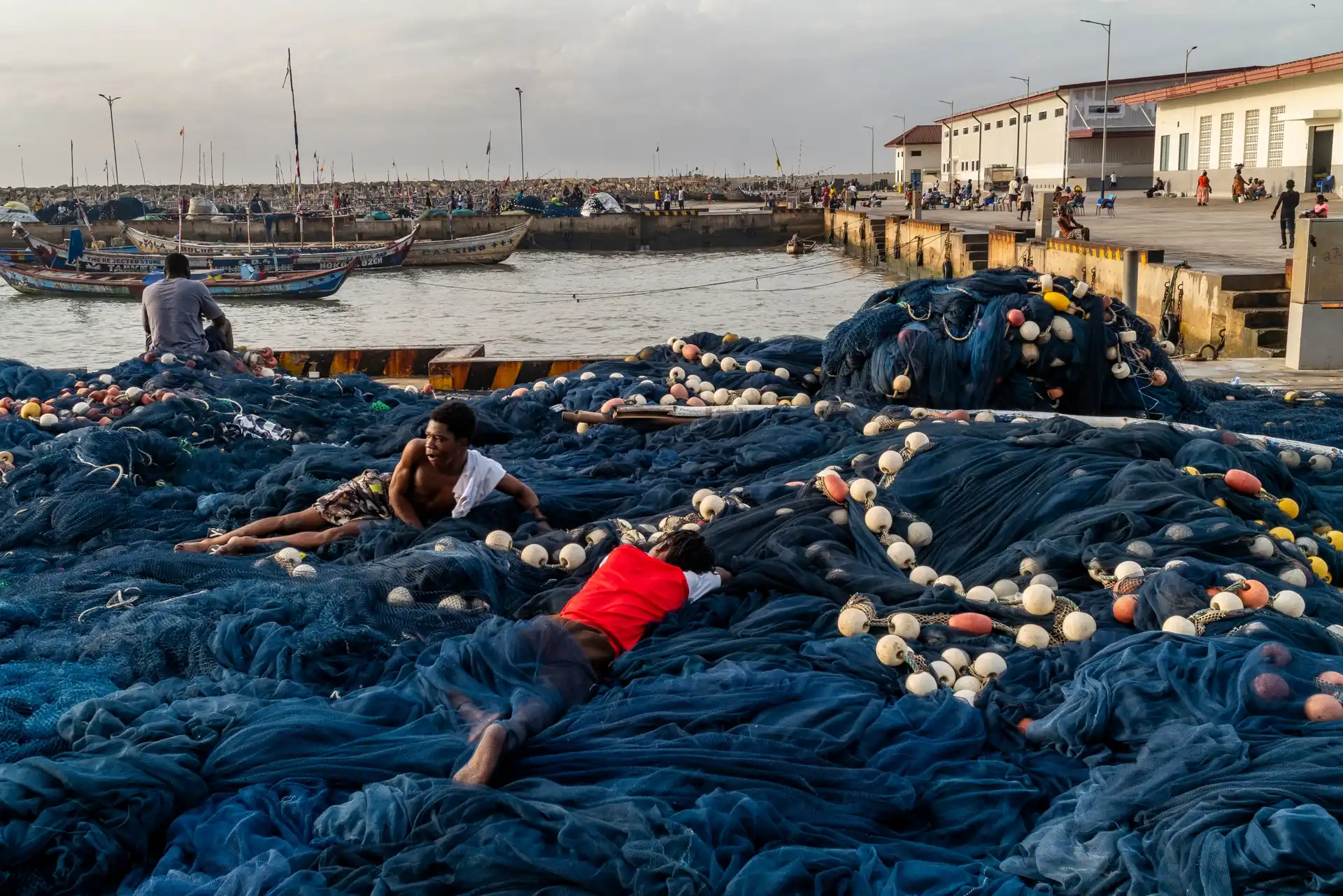
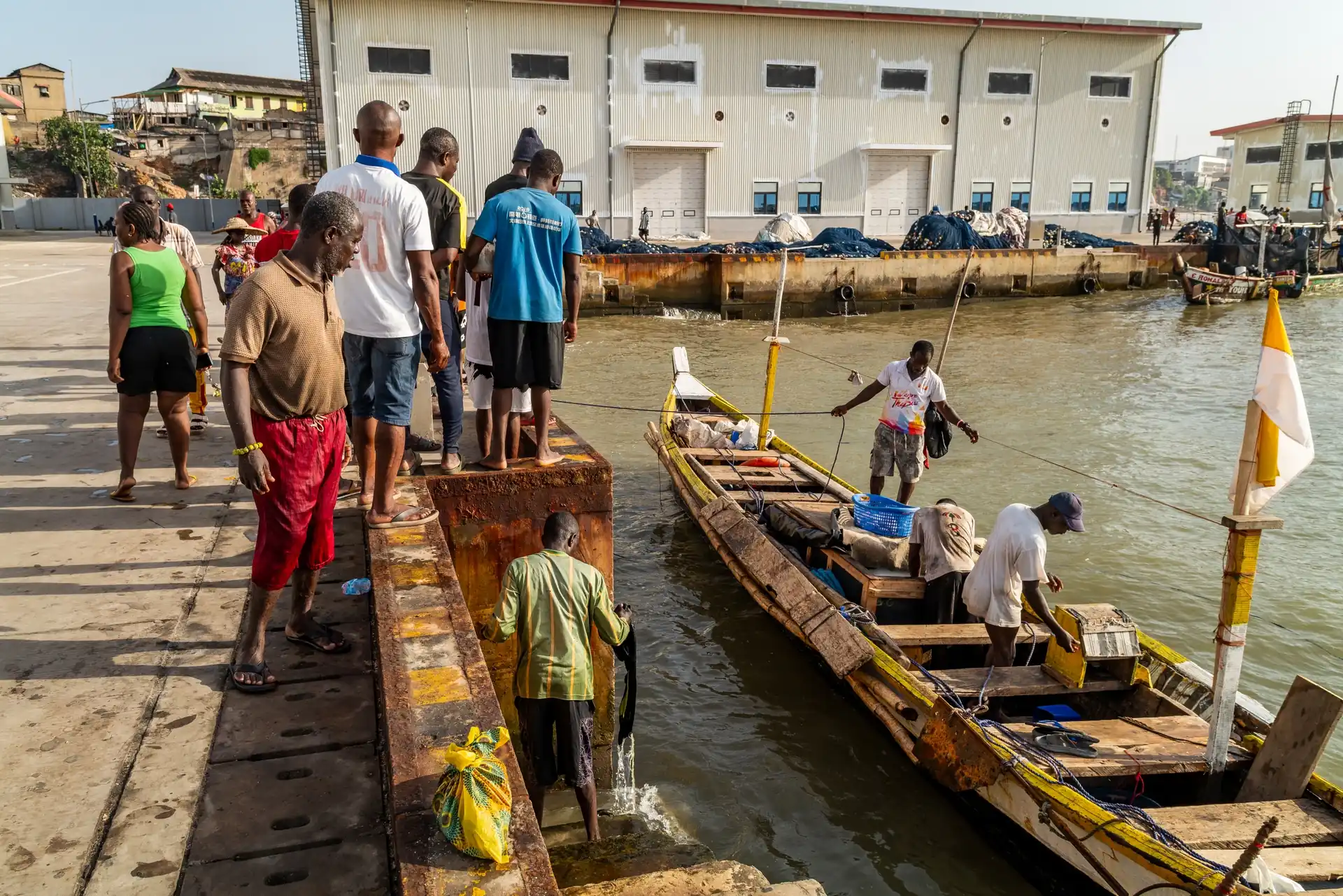
Jamestown grew up around James Fort, built in 1673 by the Royal African Company, which ran a trading post for gold and slaves there. The red-and-white banded lighthouse is about 28 m high; its white flash, every ten seconds from 35 m above the sea, reaches about 18 km. The neighbouring fishing harbour was commissioned on 13 September 2024.
Dawn over the basin
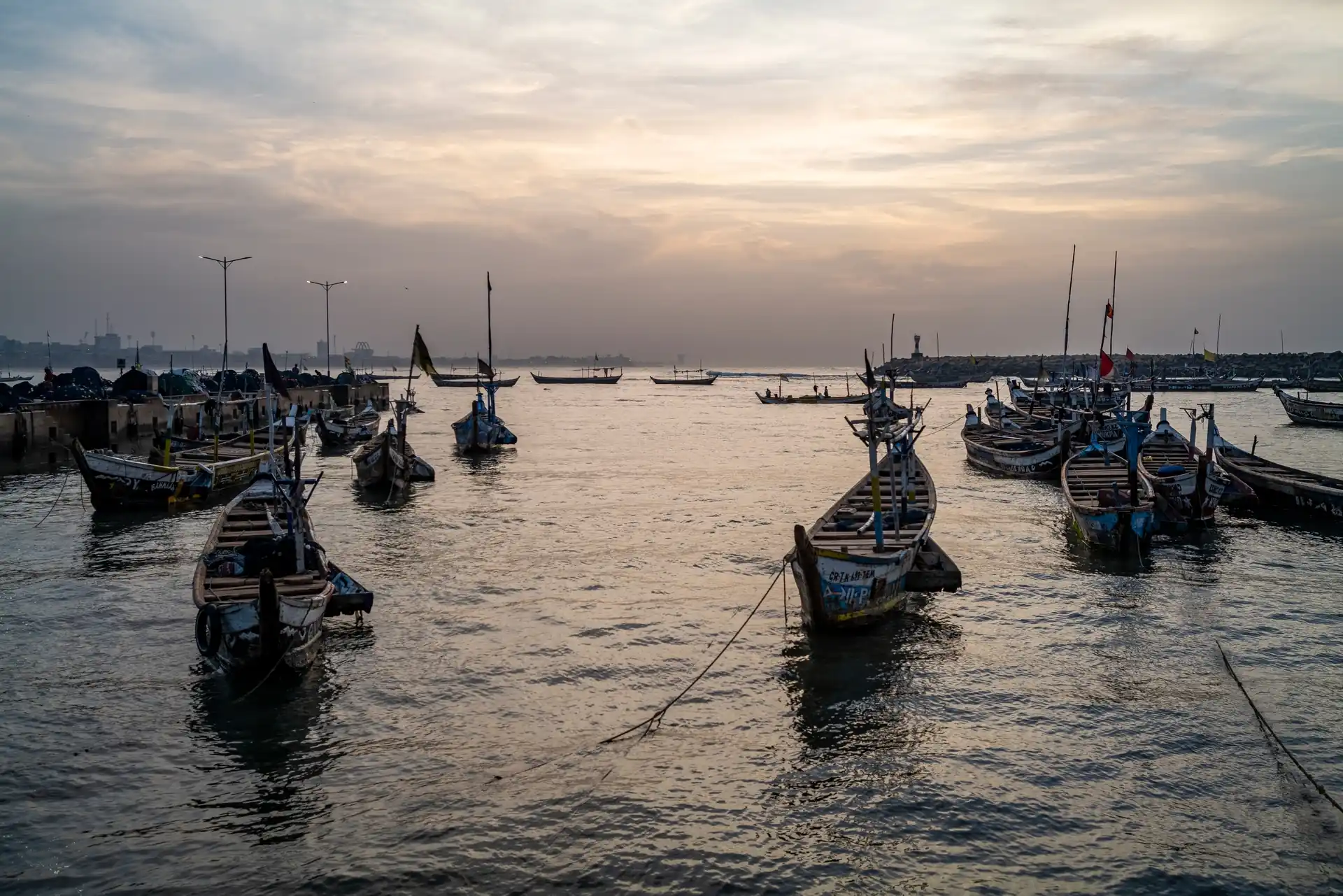
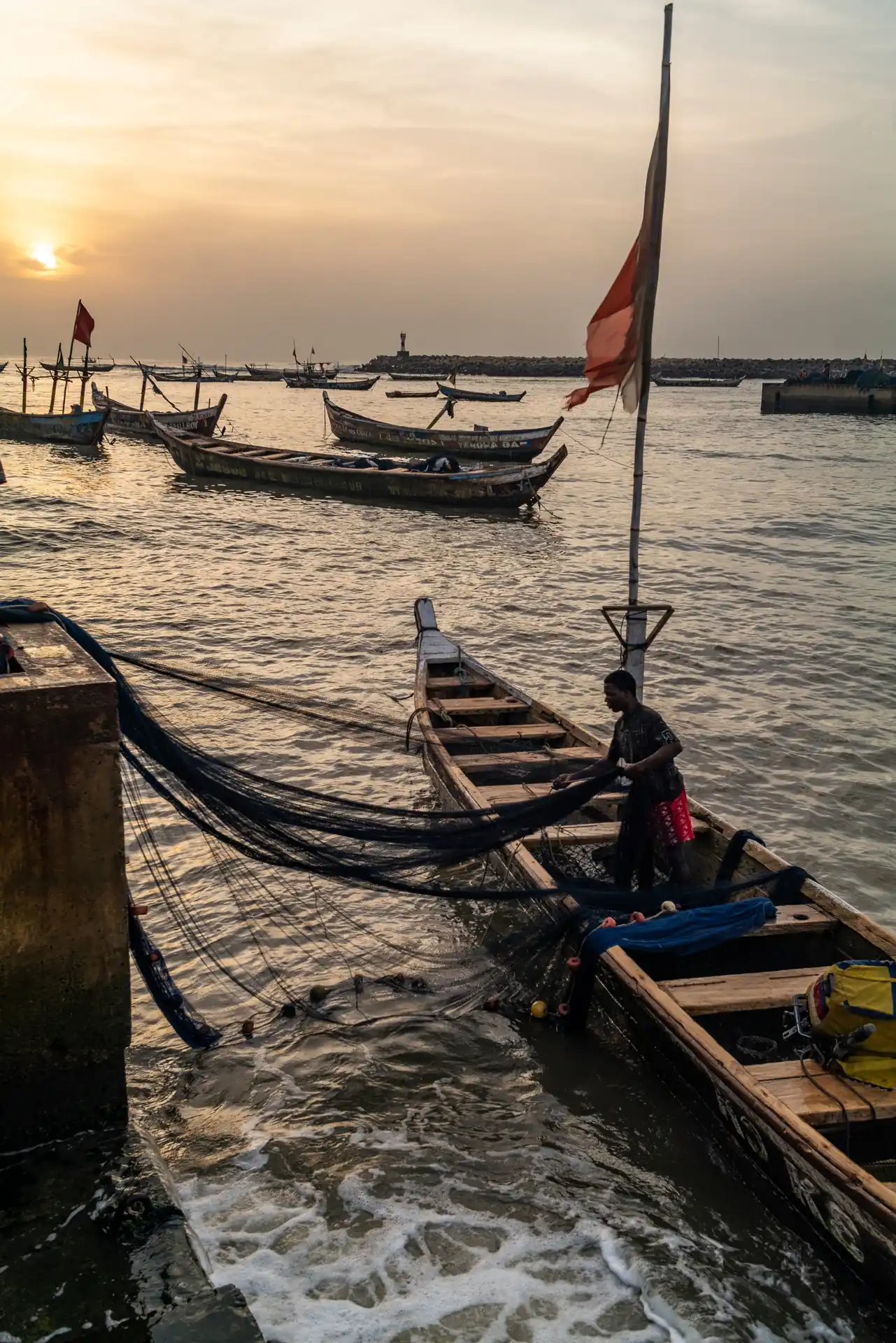
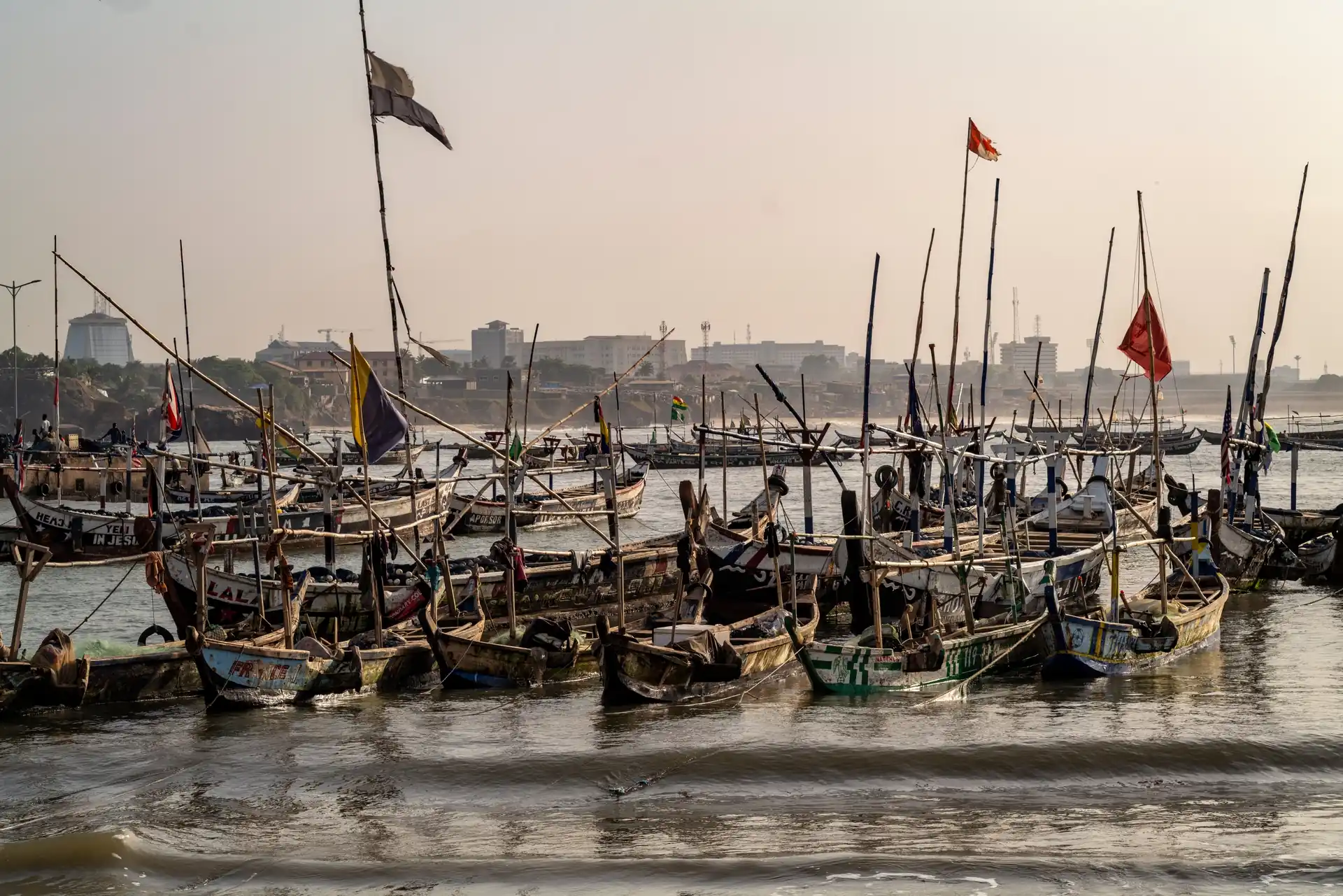
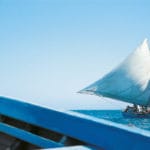
On the Gulf of Guinea, at 5° 32′ north, the pirogues set out and return at first light. The 2013 census counted 302 landing beaches and 139,155 fishermen along about 550 km of Ghanaian coast. From July to September, a cold-water upwelling is centred off Ghana.
Nets and fishermen
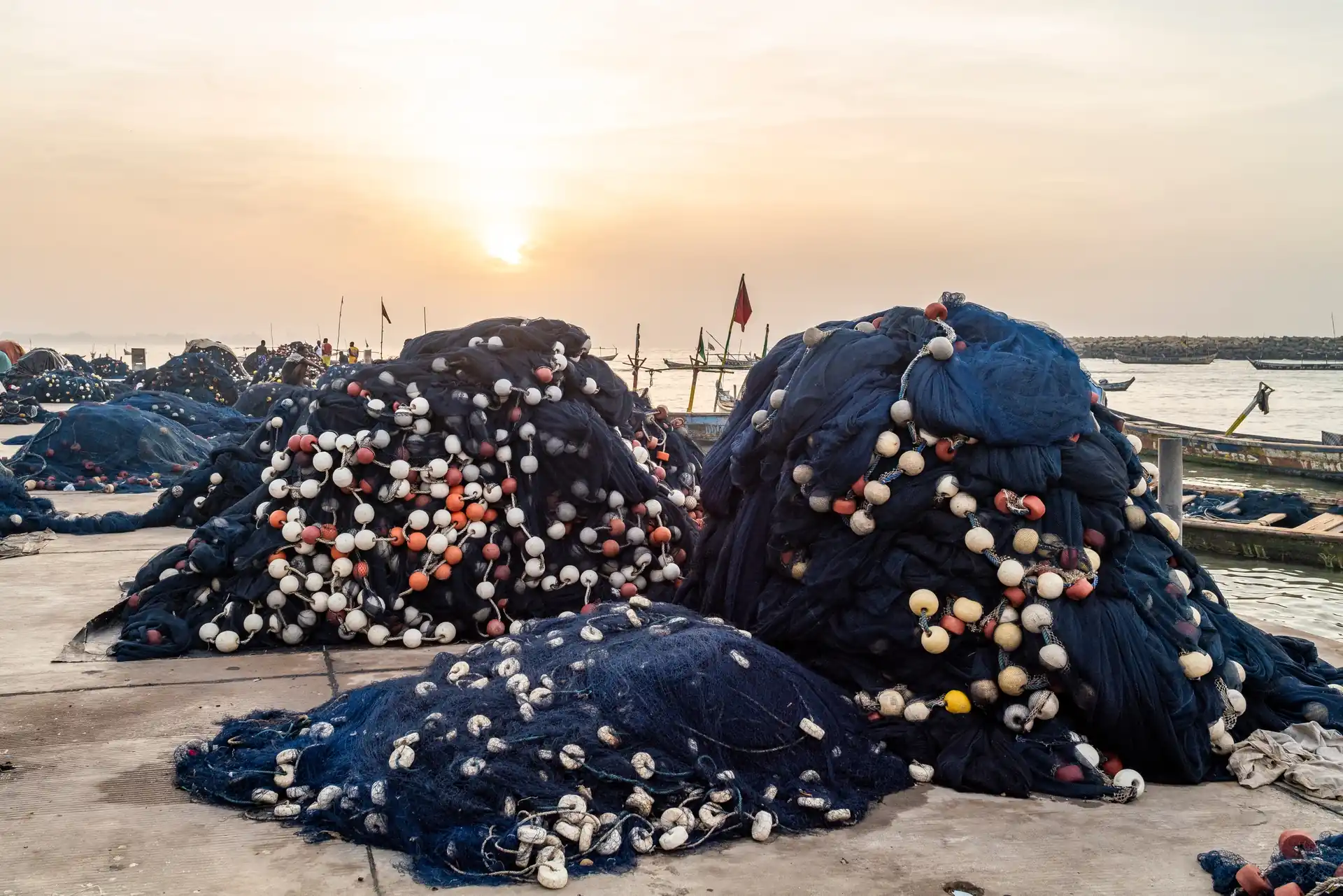
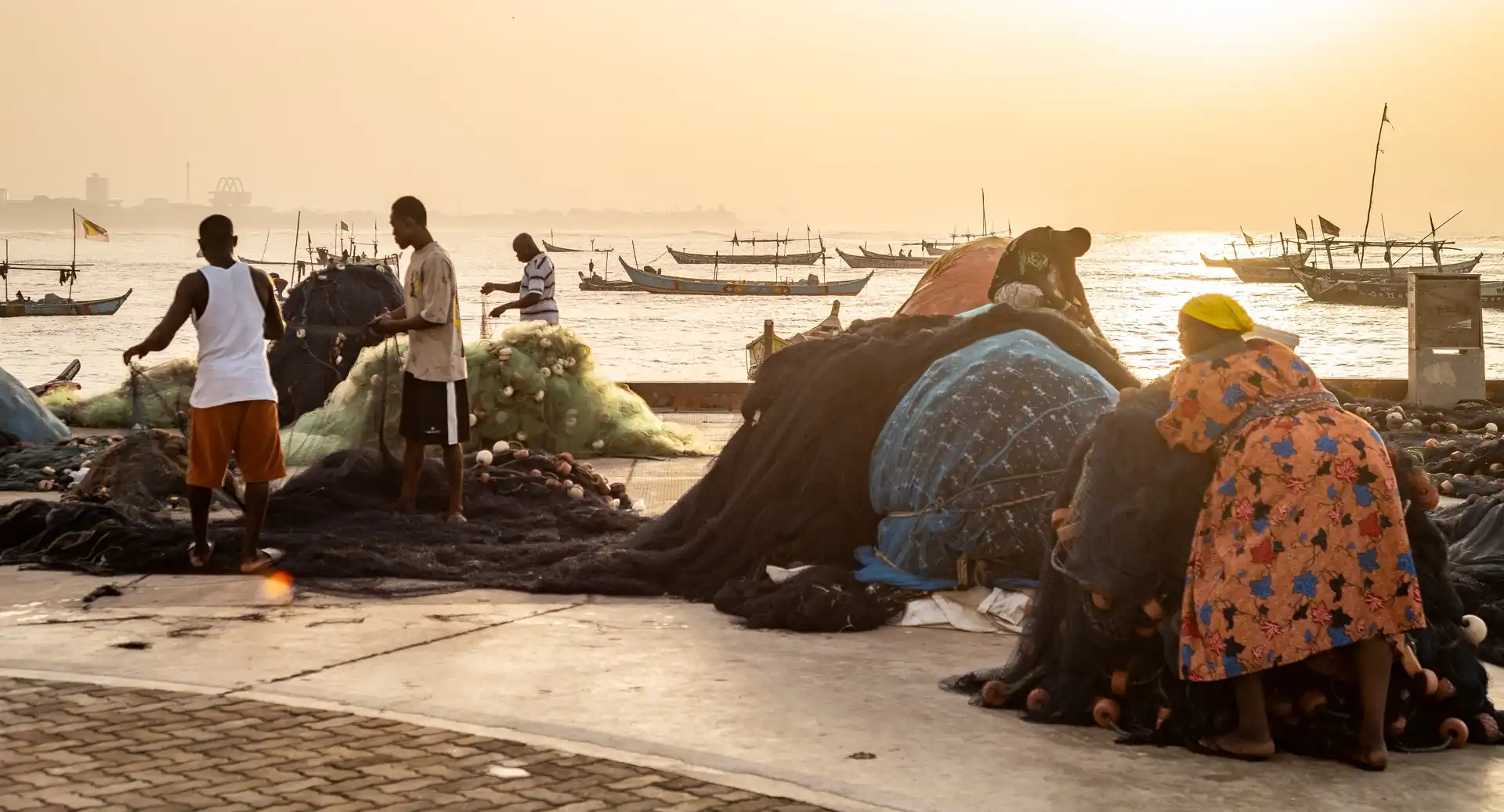
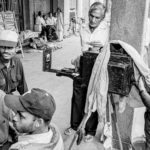
In Ghana, landings of small pelagic fish fell by 59% between 1993 and 2019, while the fleet grew from about 8,000 canoes in 1990 to 13,650 in 2017 (The Conversation, 2024). On the Jamestown quay, nets are piled up and mended.
The plastic shore
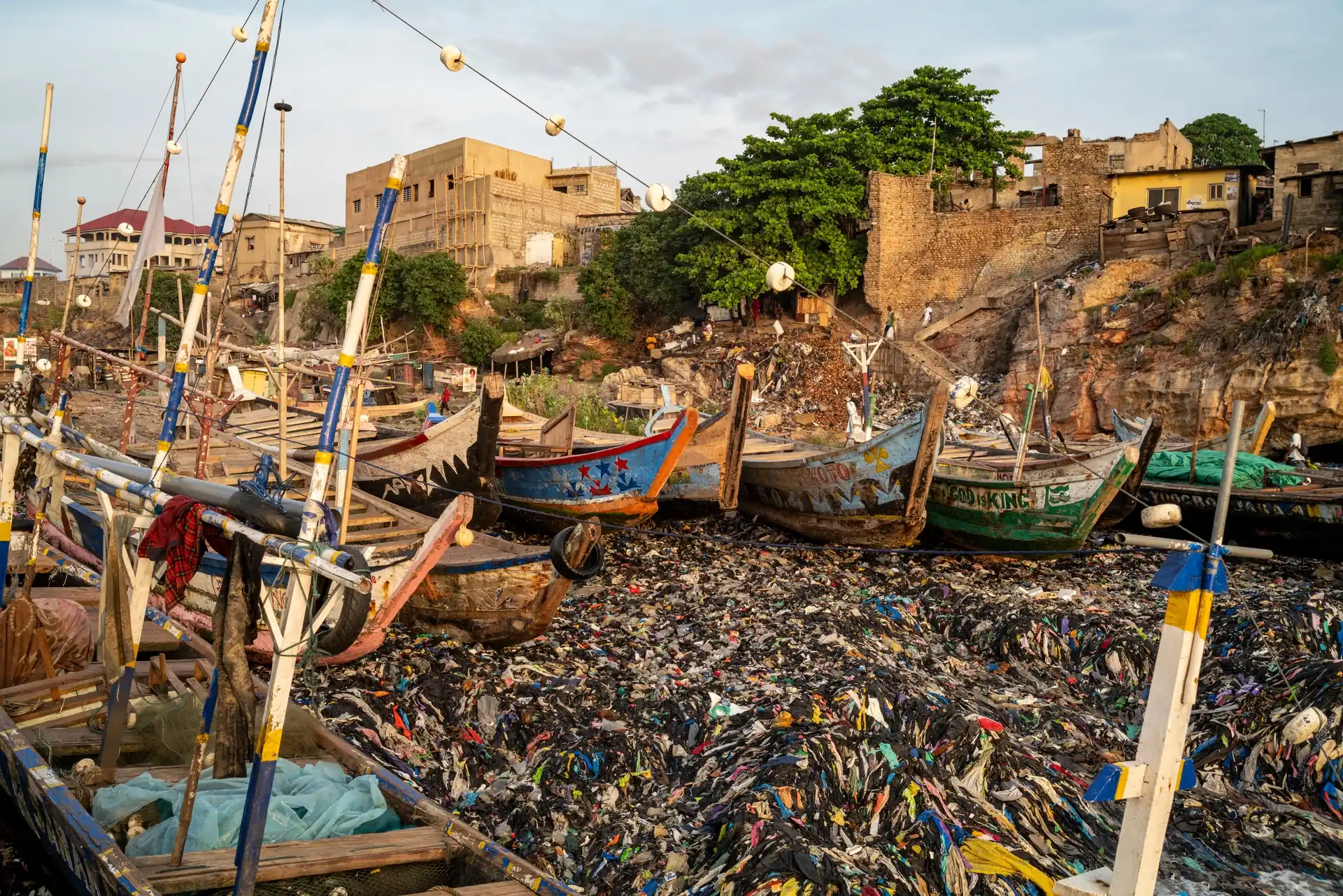
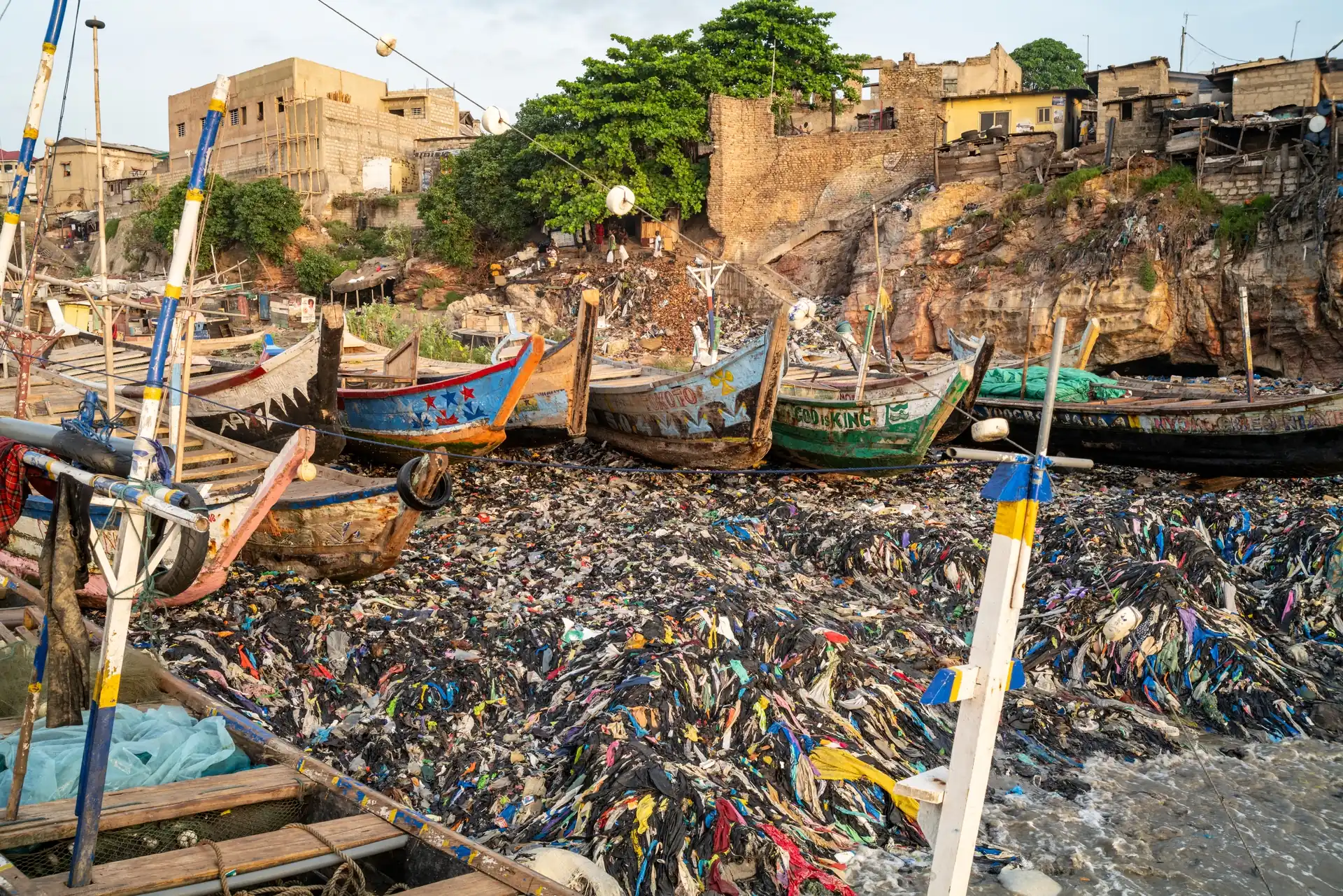
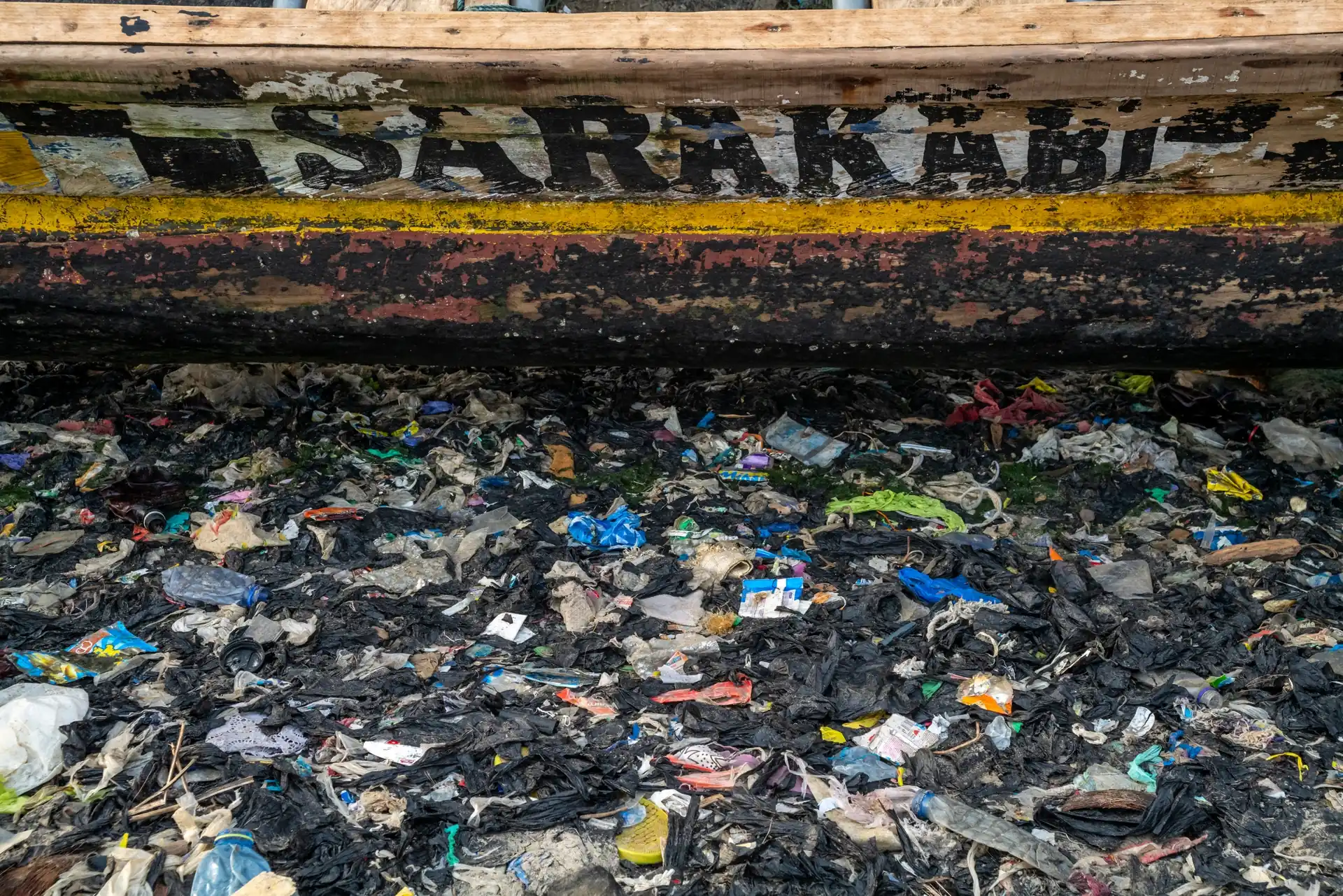
Beneath the ochre cliff, pirogues rest on a bed of waste. In the Greater Accra Metropolitan Area, plastic makes up about 16% of waste (GARID project, 2021). The Odaw carries plastic and microplastics down to the Korle Lagoon, before the Gulf of Guinea. Fishers at Apo, in the Western Region, say they bring up bottles and bags in their nets (GNA, 2025).
Hauling boats through the waste
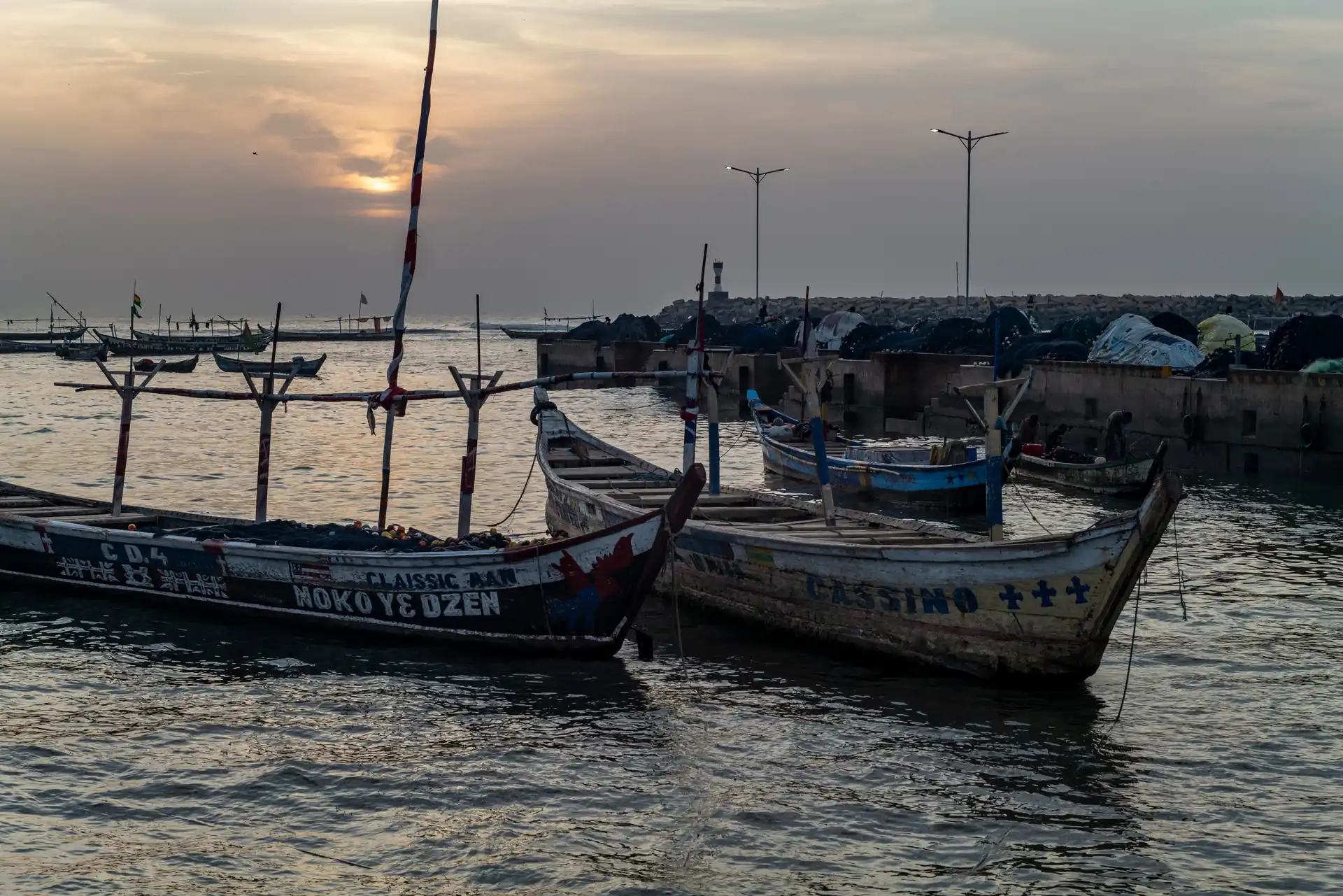
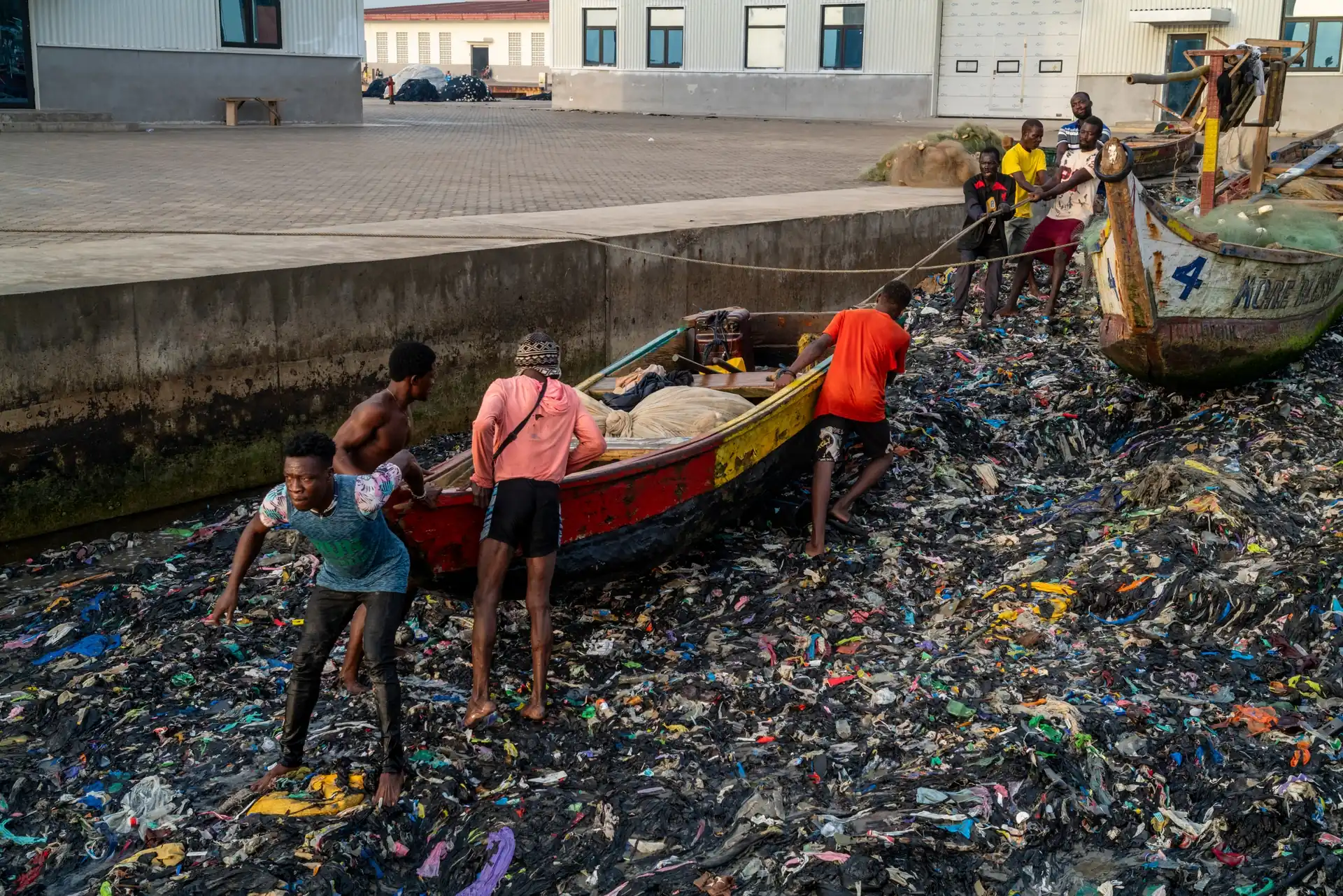
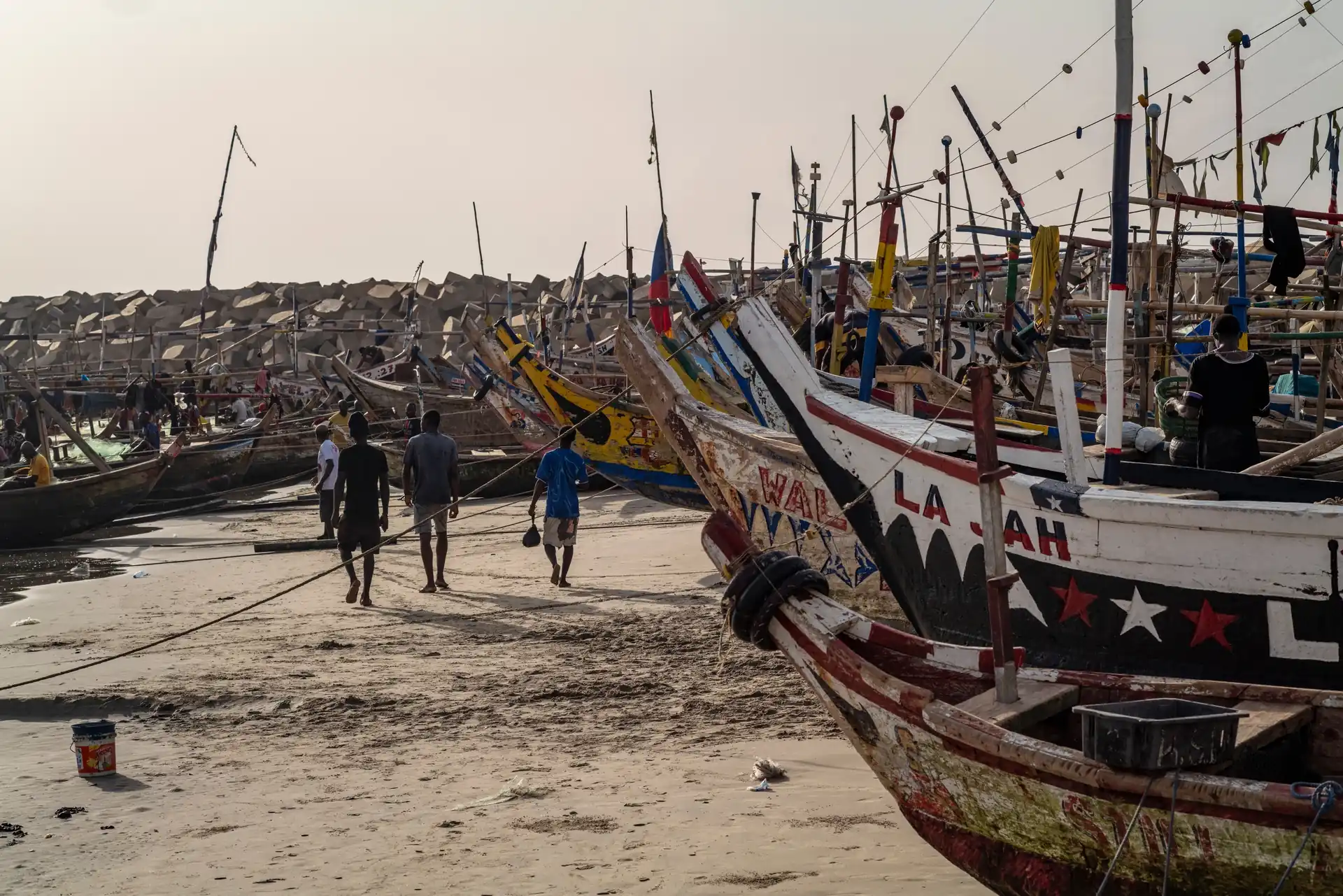
Crews haul together, up a ramp of waste. Ghanaian pirogues are generally built from wawa: a split log, a carved hull, planks nailed on to raise the sides. The 2013 census counted 12,728 marine canoes, 73% of them fitted with an outboard.
Beached pirogues and the bay
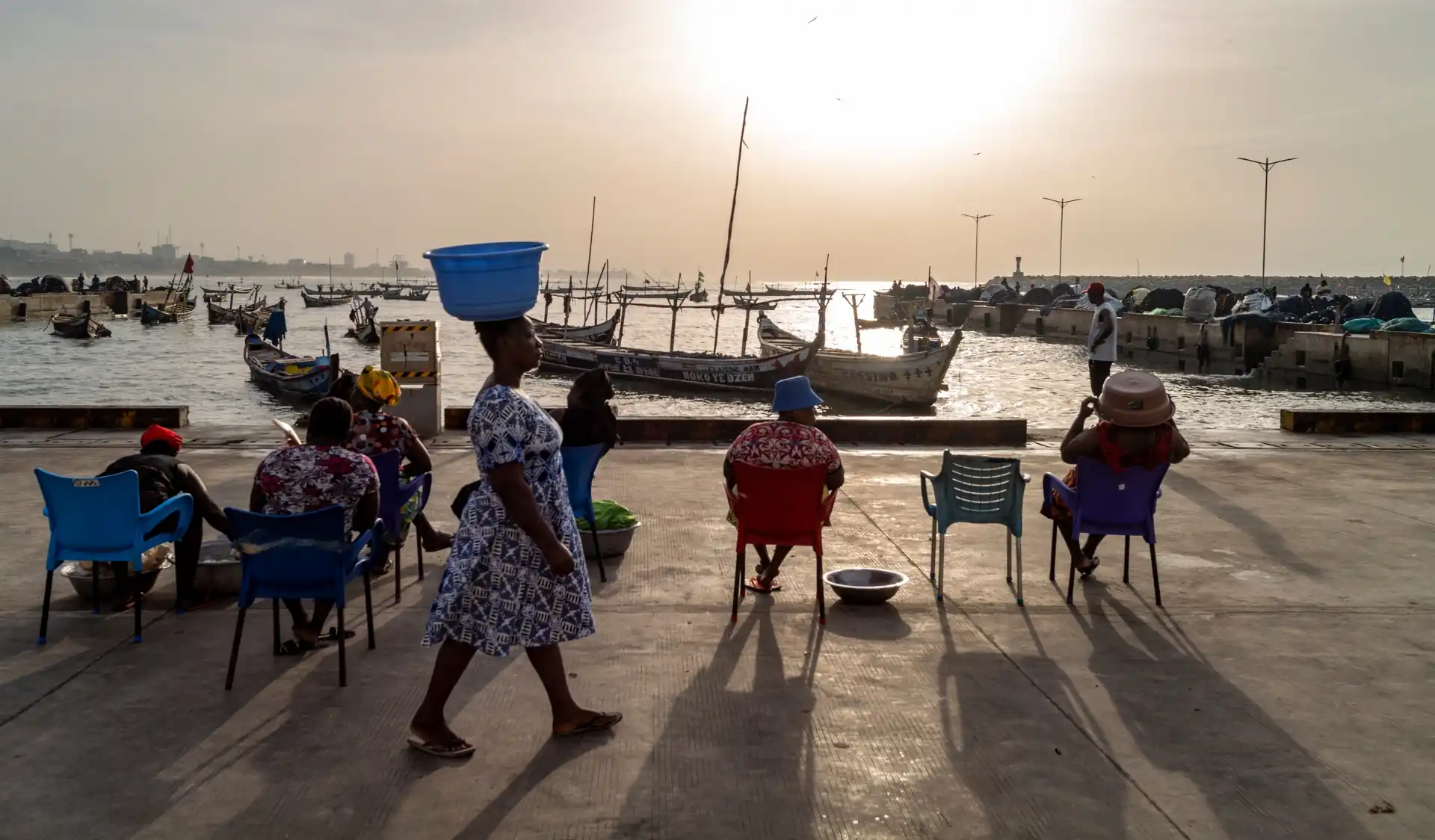
Further on, pirogues beached on the sand or packed into the bay, flags flying. Passers-by walk along the painted hulls.
The market and the quay
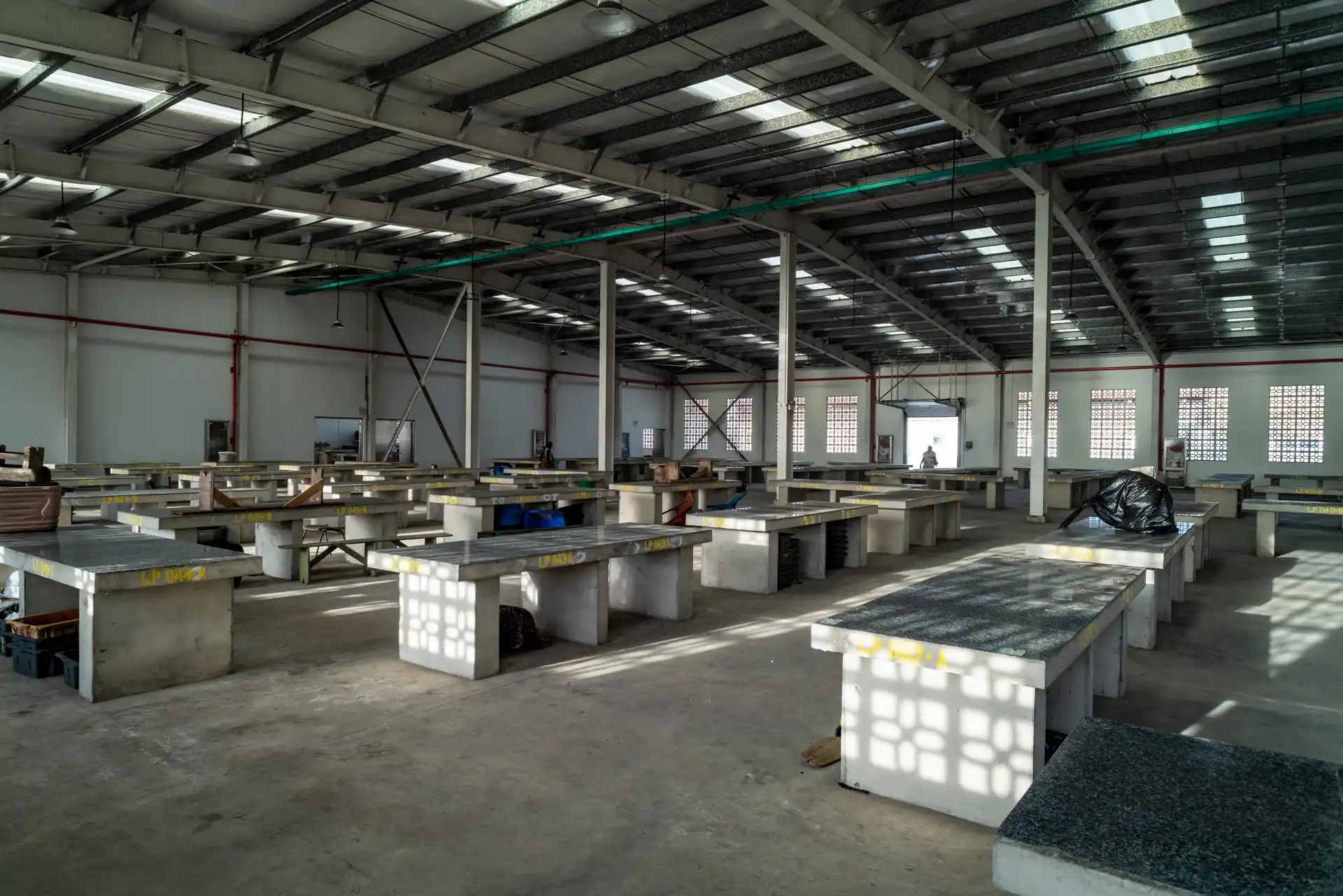
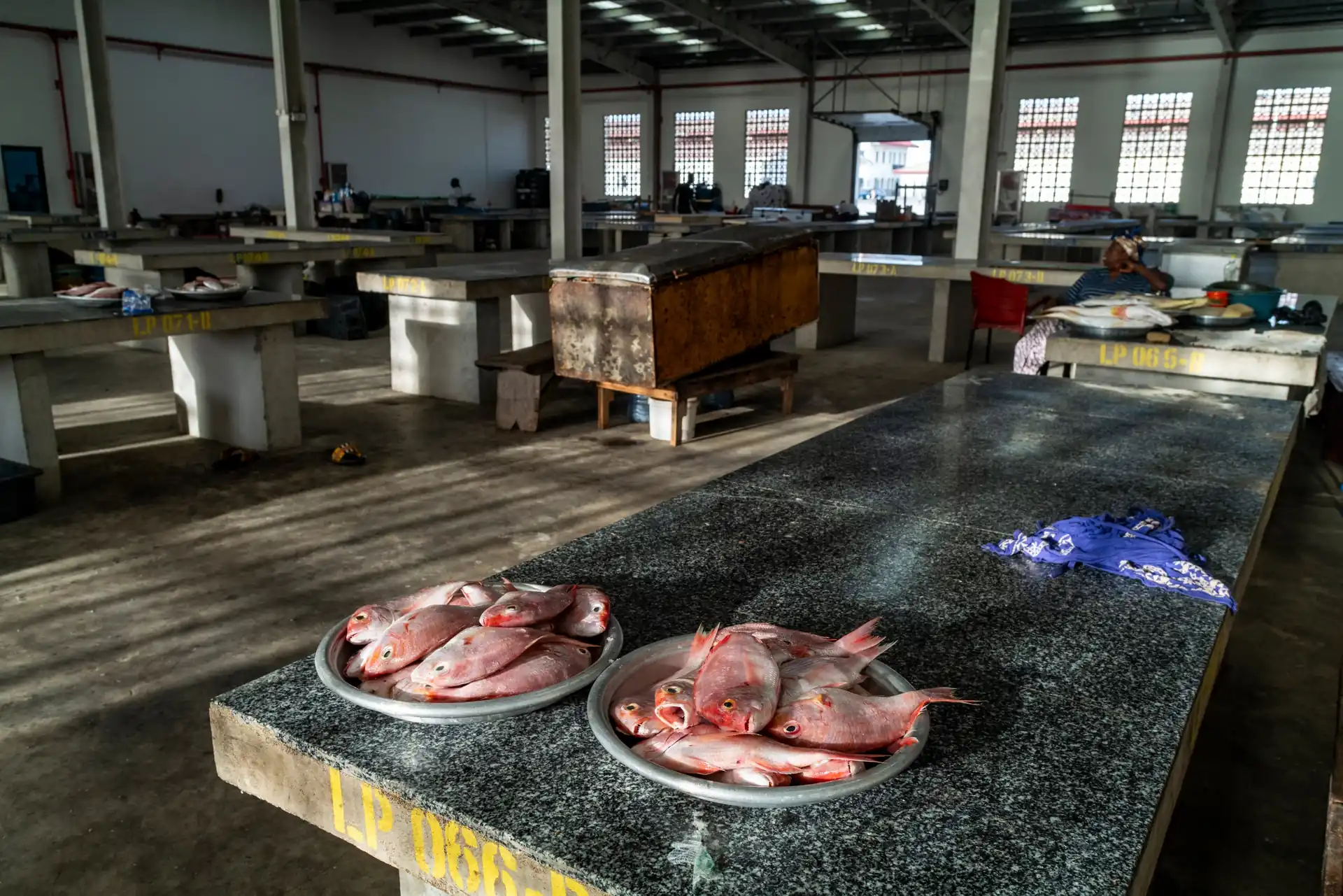
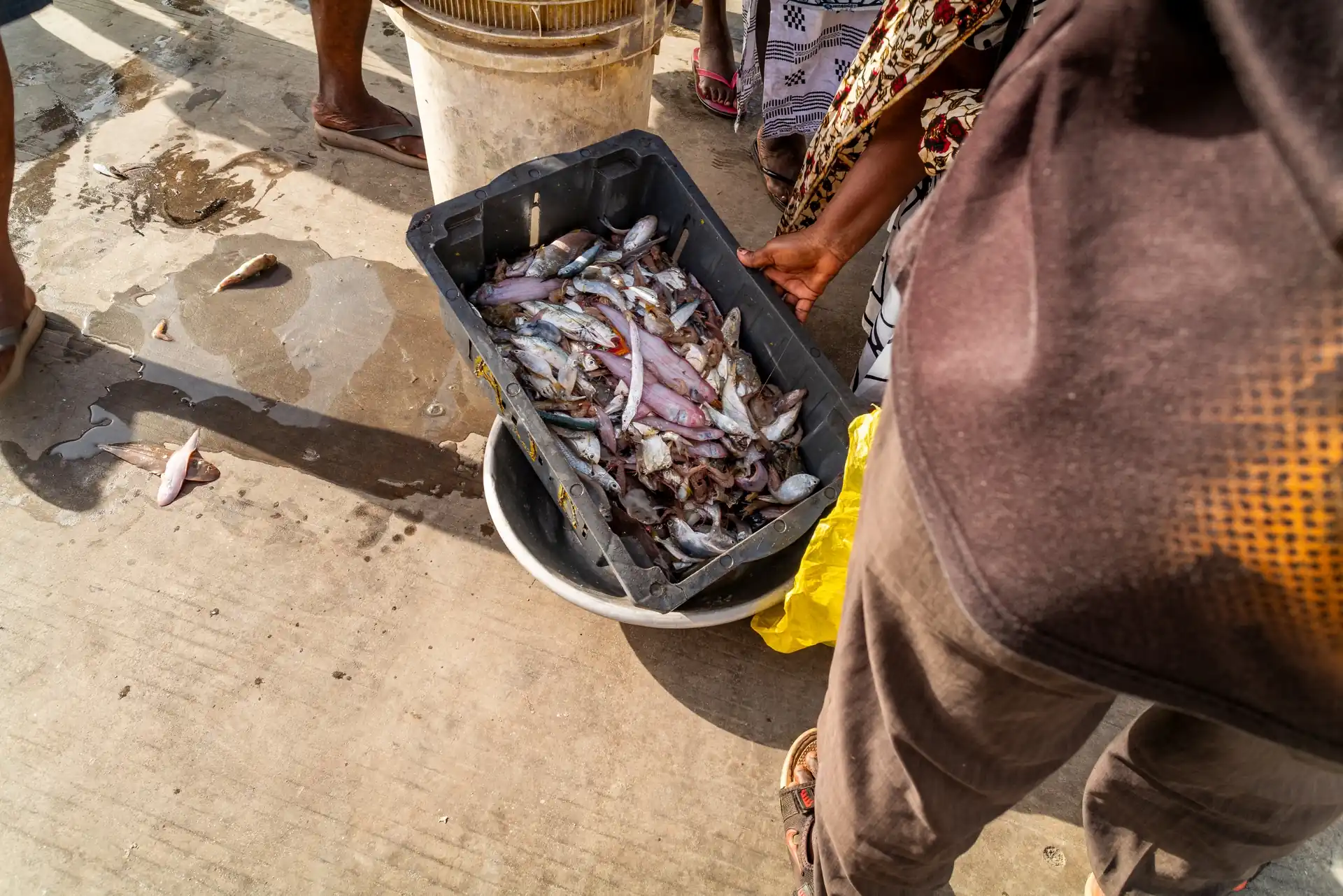
In the new hall, the granite tables are numbered and almost empty. On the quay, fish traders wait; others sell their fish from basins.
Backlight and reflections
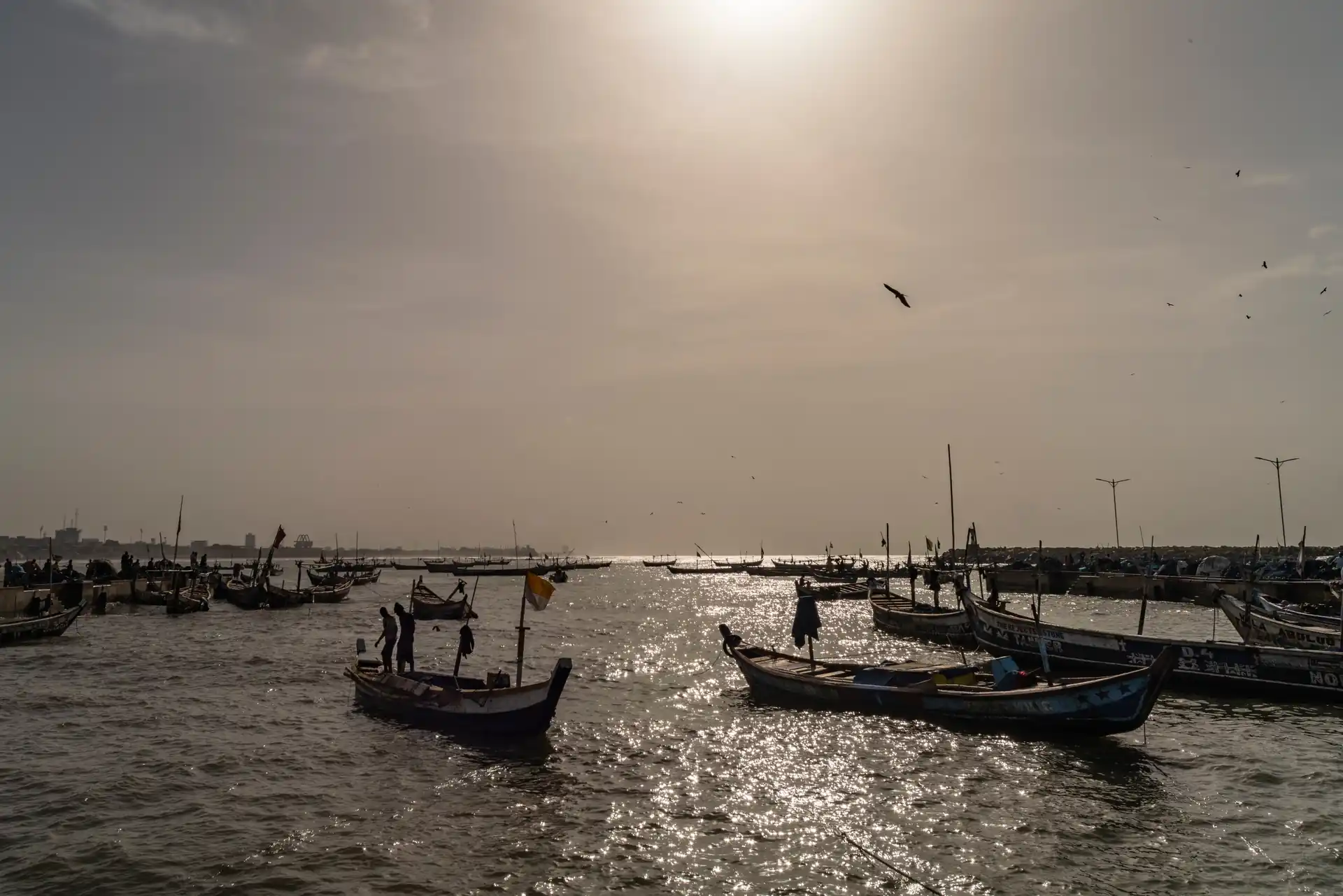
The low sun cuts out the pirogues and their crews on glittering water. These reflections close the essay, a few metres from the shore.
Tarek Charara
Click here to see all the photos
Sources:
https://ghanaiantimes.com.gh/ghana-generates-0-84m-metric-tonnes-of-plastic-waste-annually/
https://gna.org.gh/2025/08/chocked-seas-plastic-pollutions-toll-on-sdg-14-and-coastal-livelihoods/
https://en.wikipedia.org/wiki/Jamestown/Usshertown,_Accra
https://en.wikipedia.org/wiki/Fort_James,_Ghana
https://en.wikipedia.org/wiki/Jamestown_Lighthouse
https://www.crc.uri.edu/download/Ghana-Marine-Canoe-Frame-Survey-2013.pdf
Text and images © 2026 Tarek Charara/Kaleidos images.
All rights reserved.
Jamestown’s plastic sea
© Tarek Charara/Kaleidos images