

Jamestown’s plastic sea
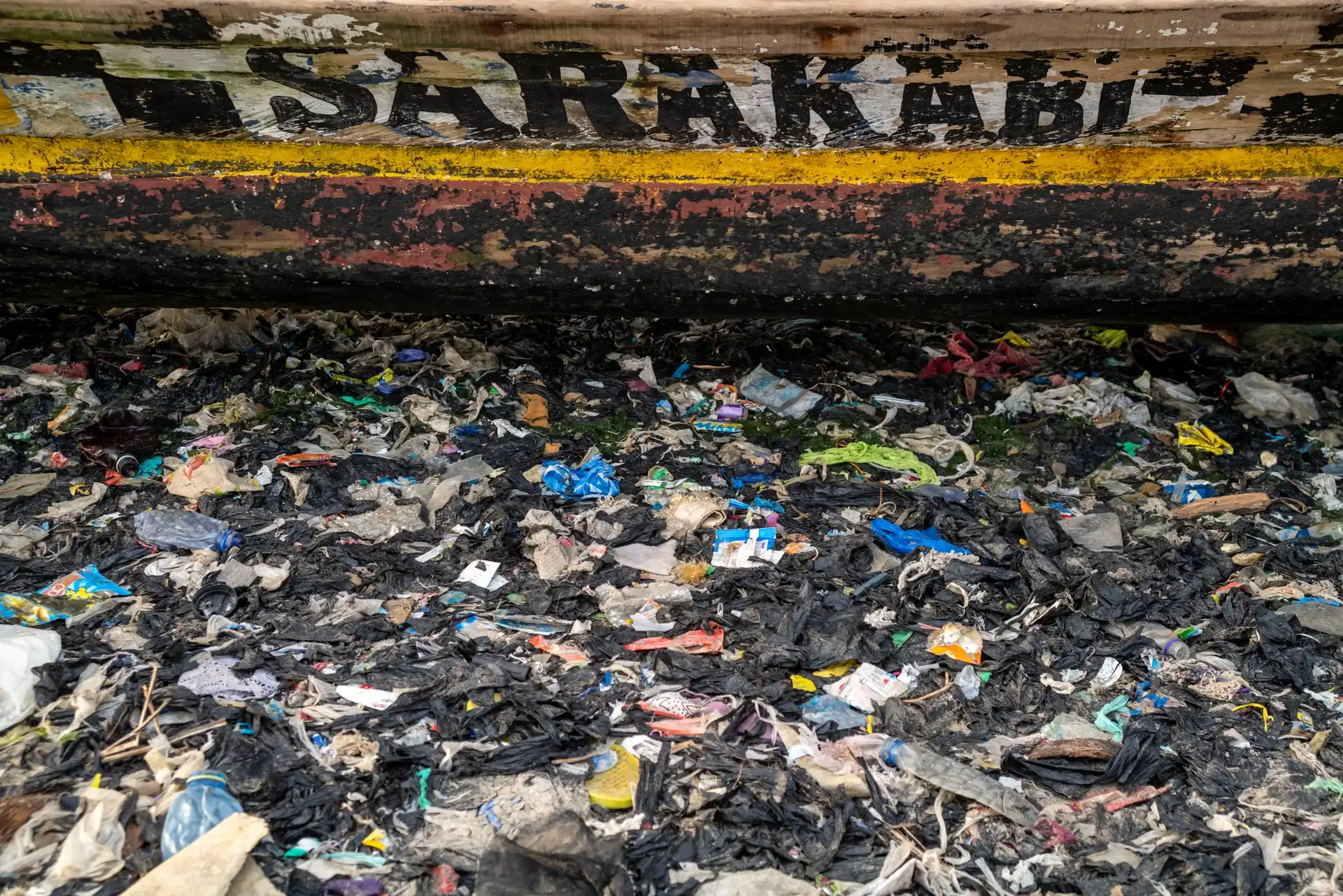
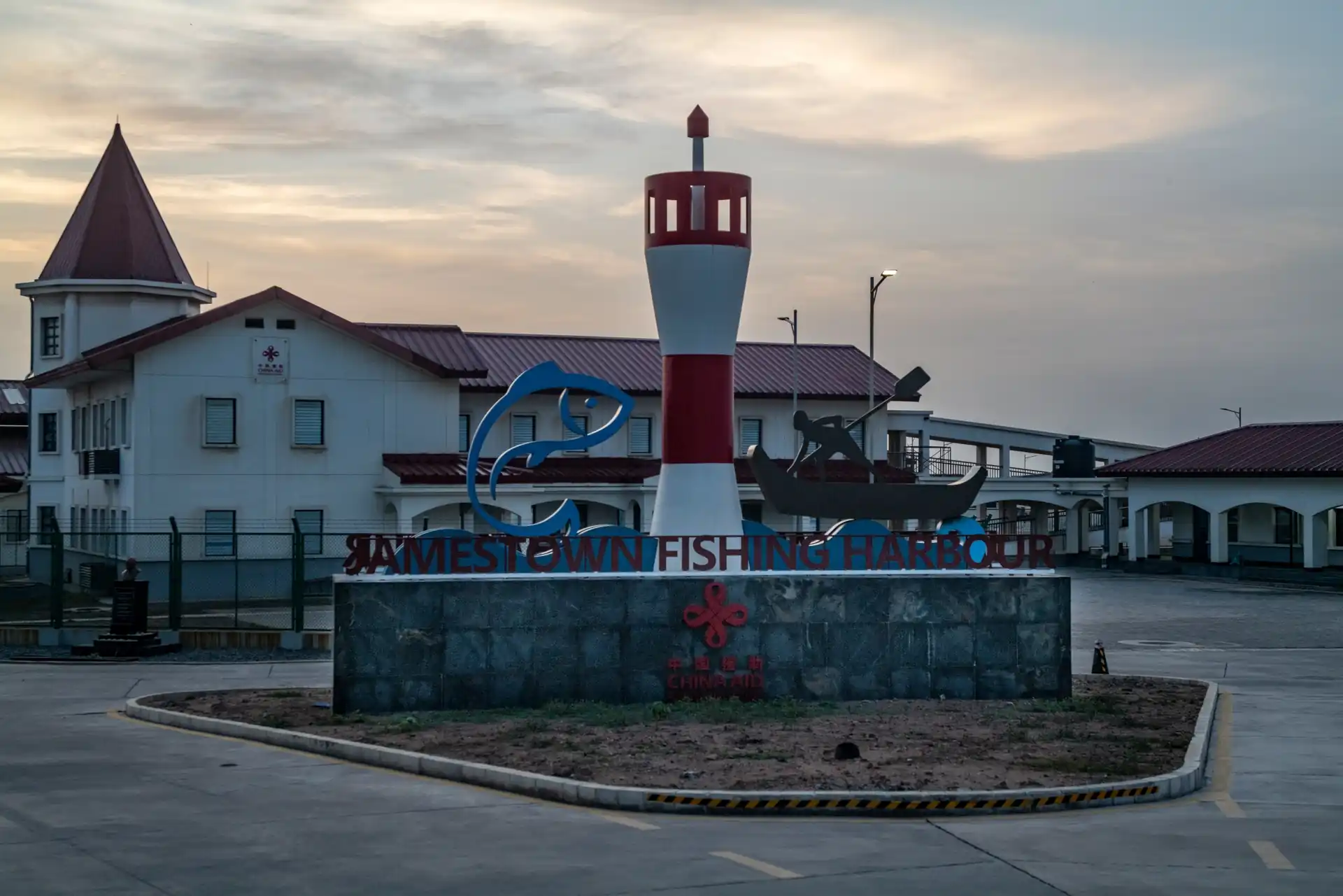
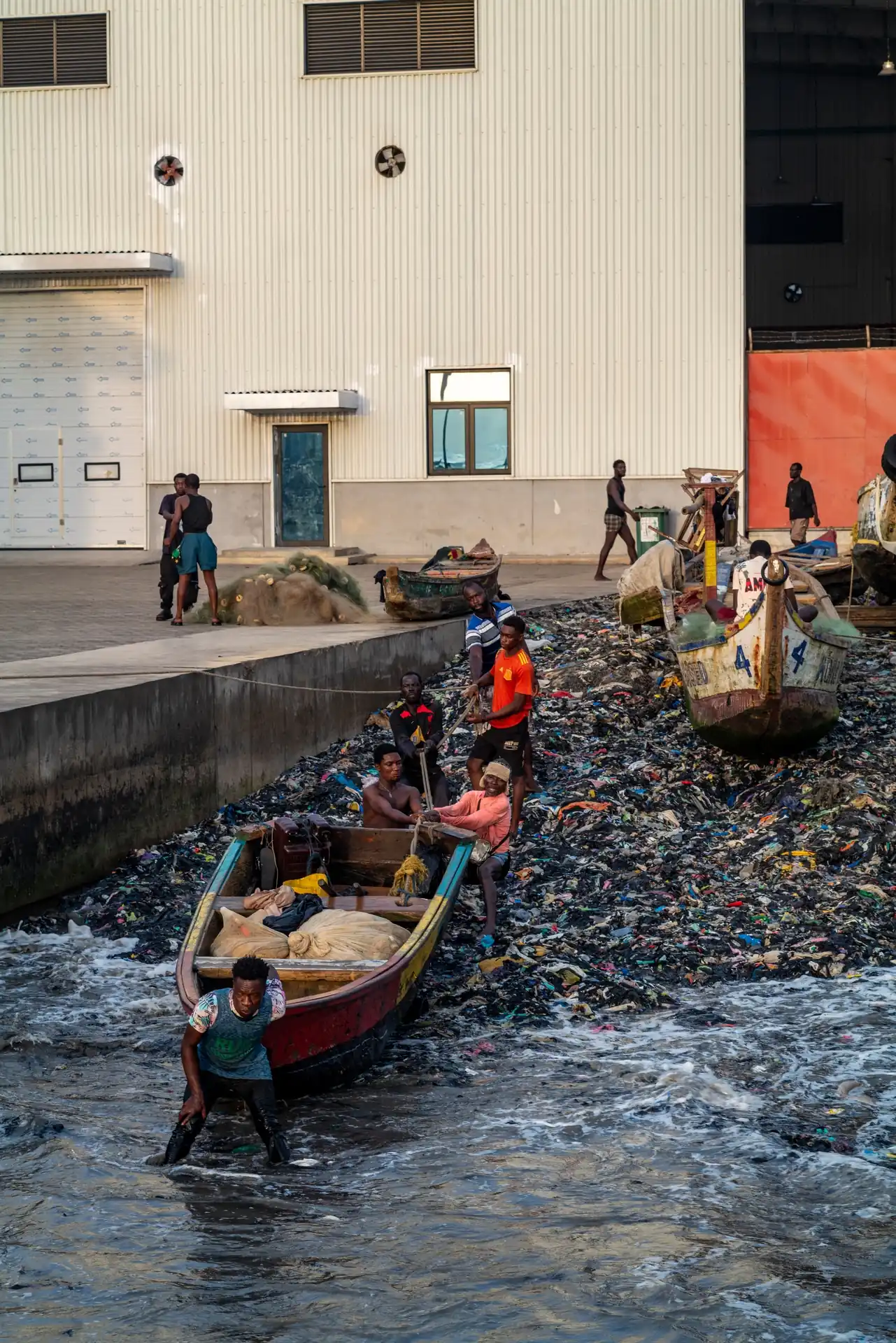
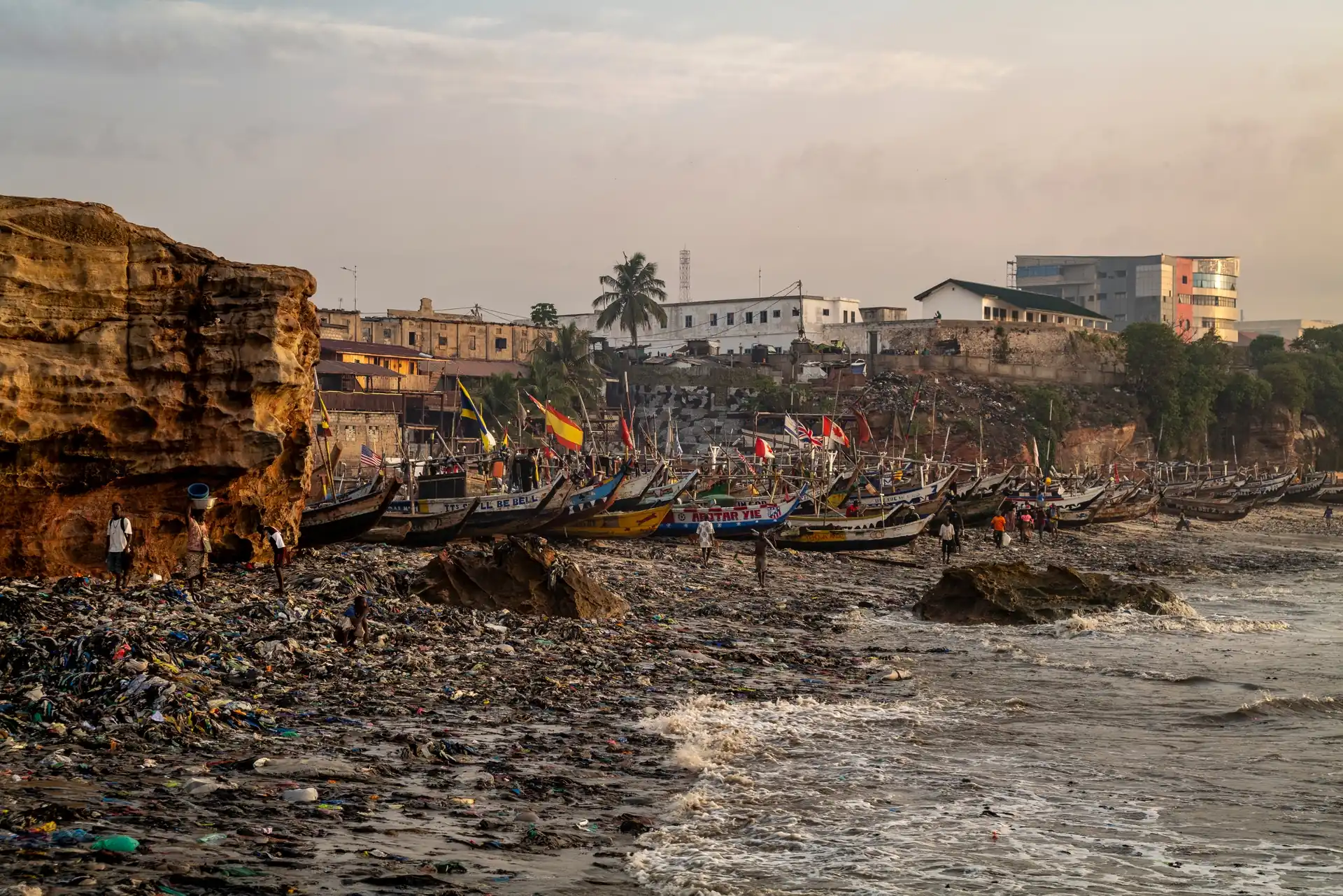
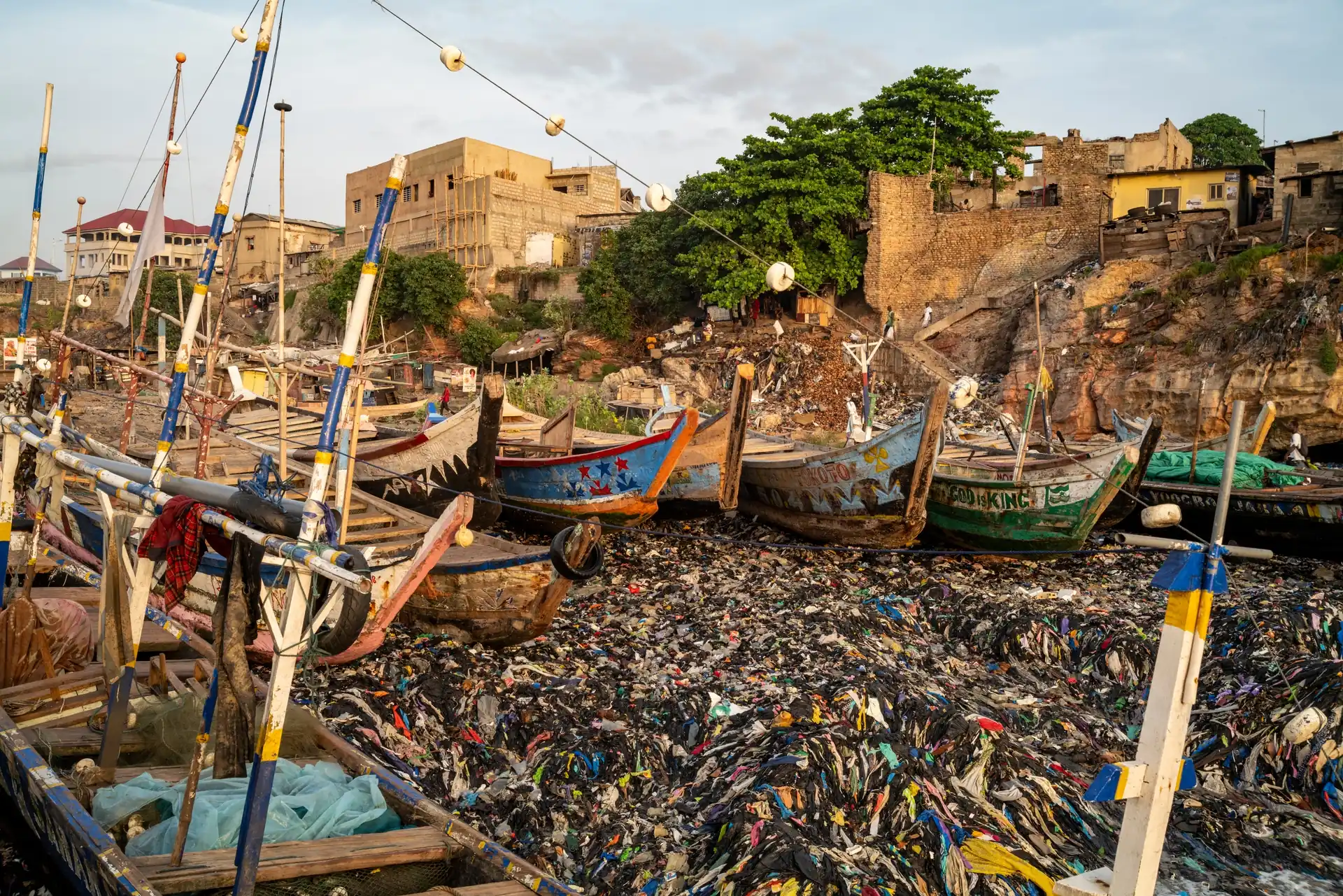
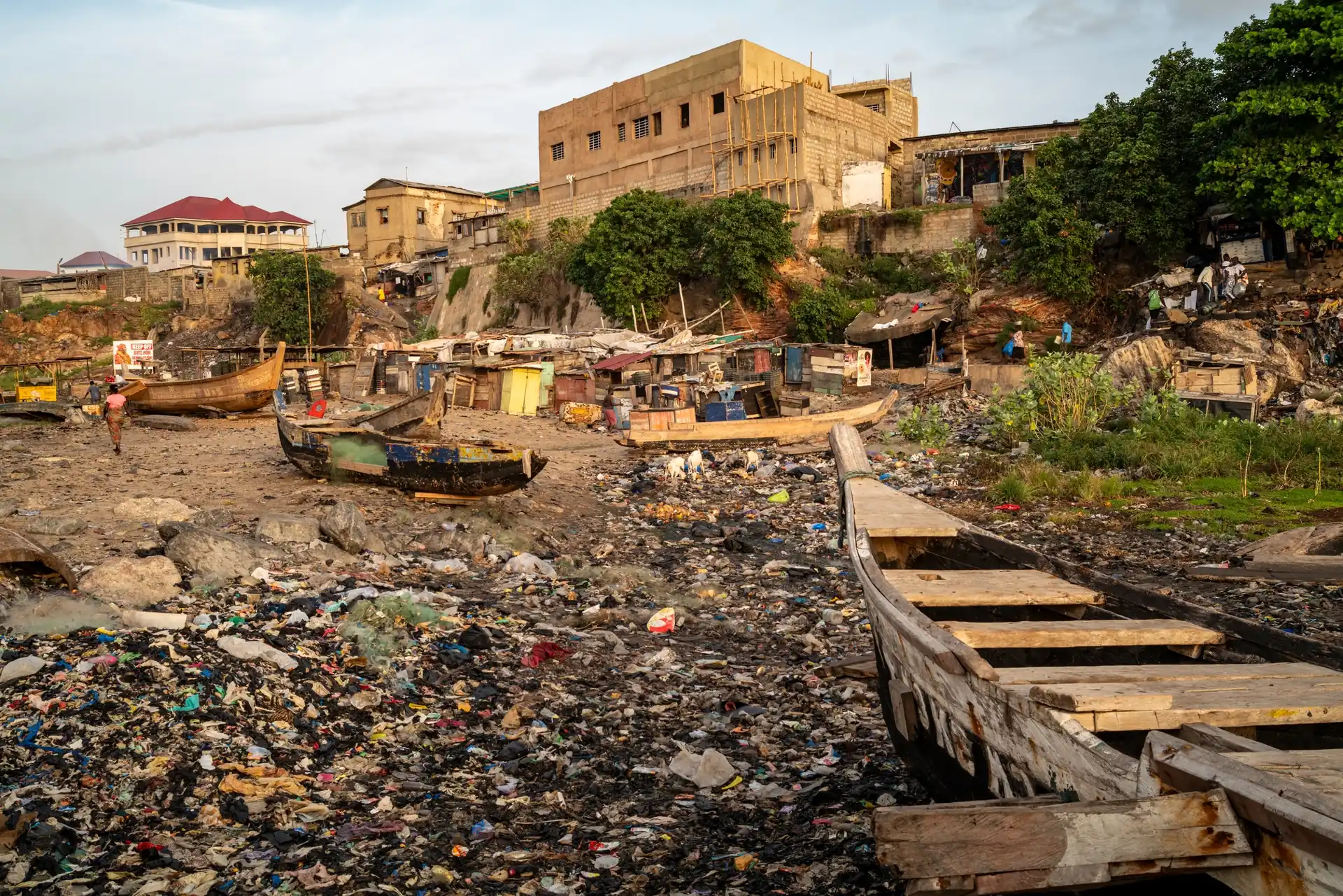
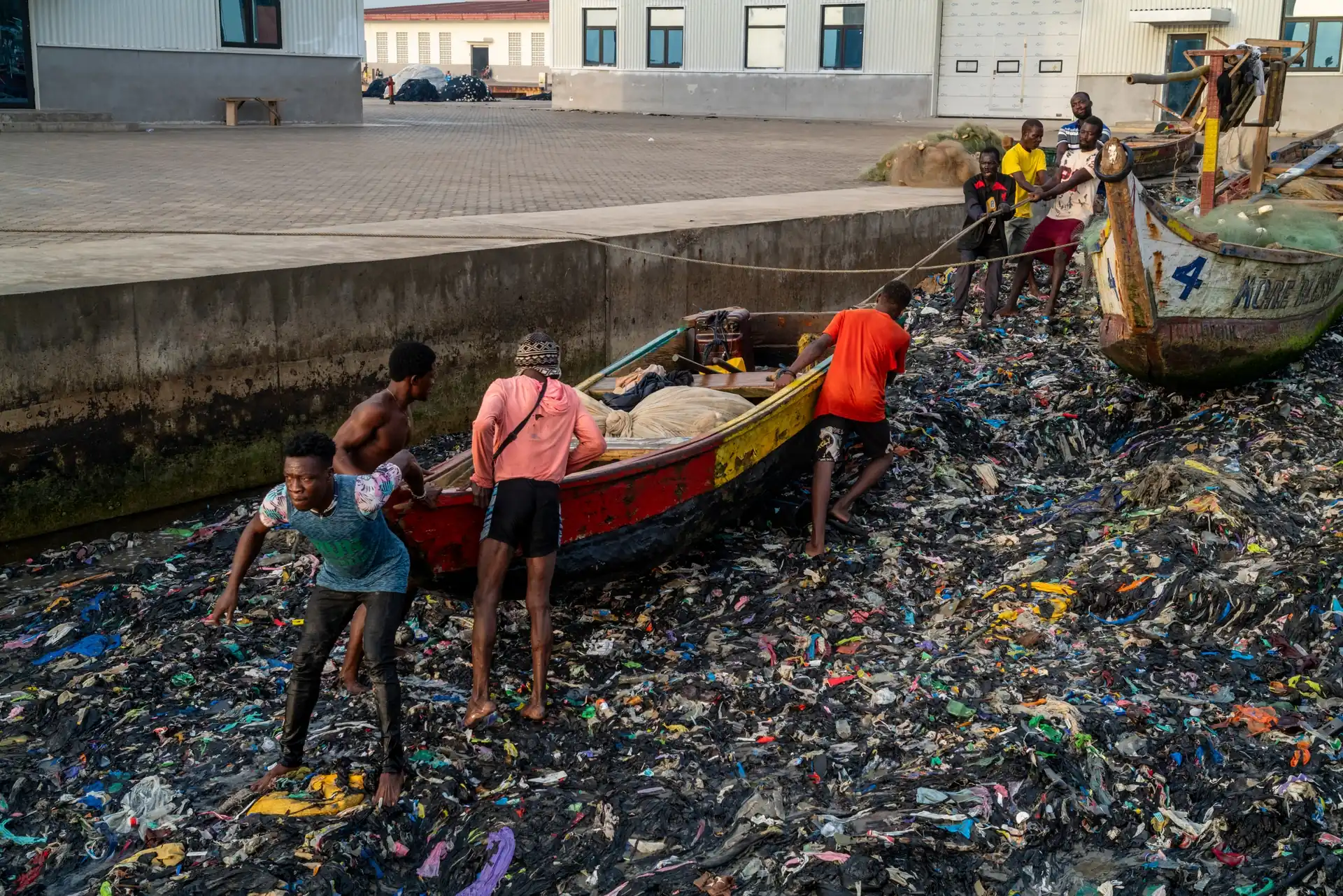
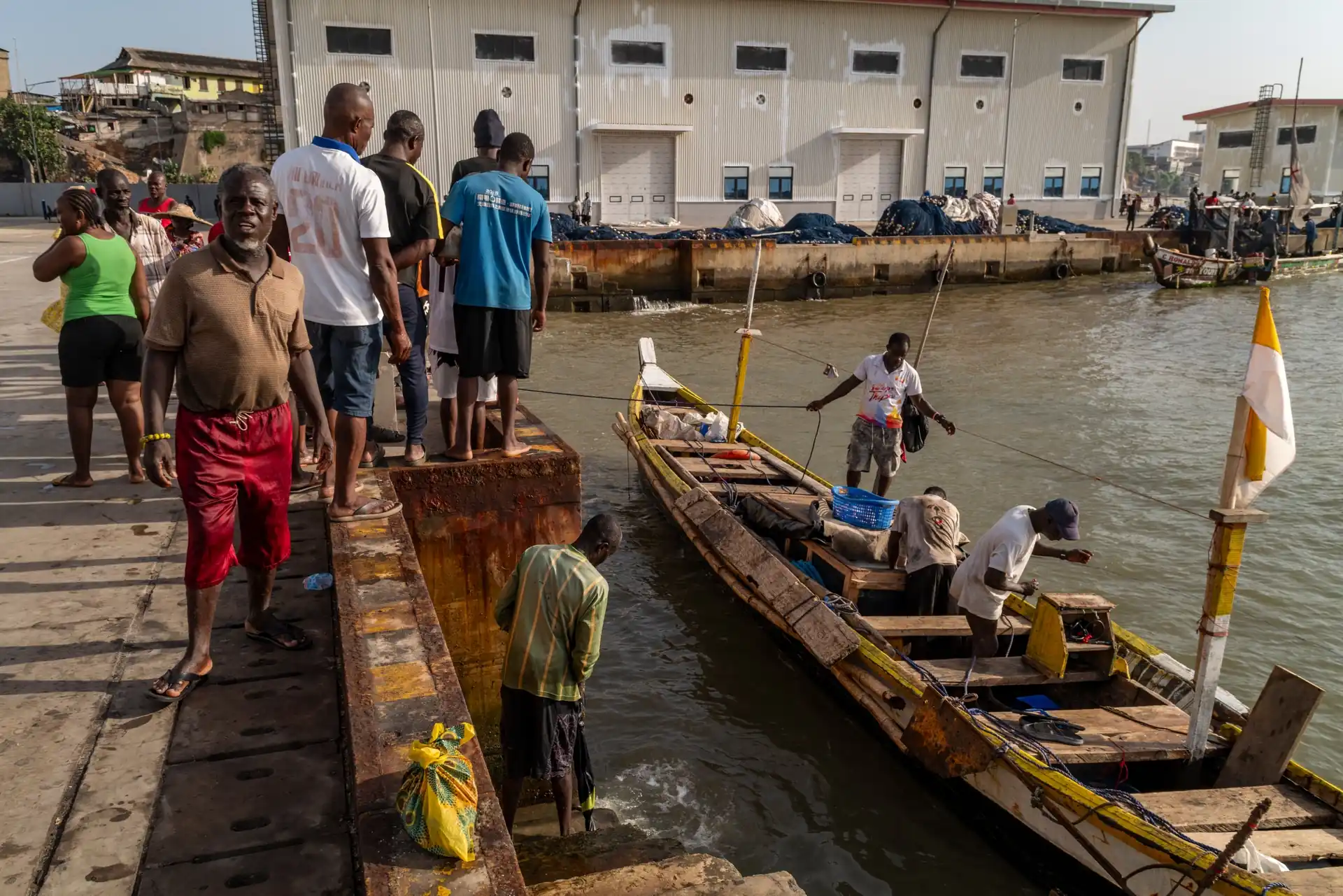
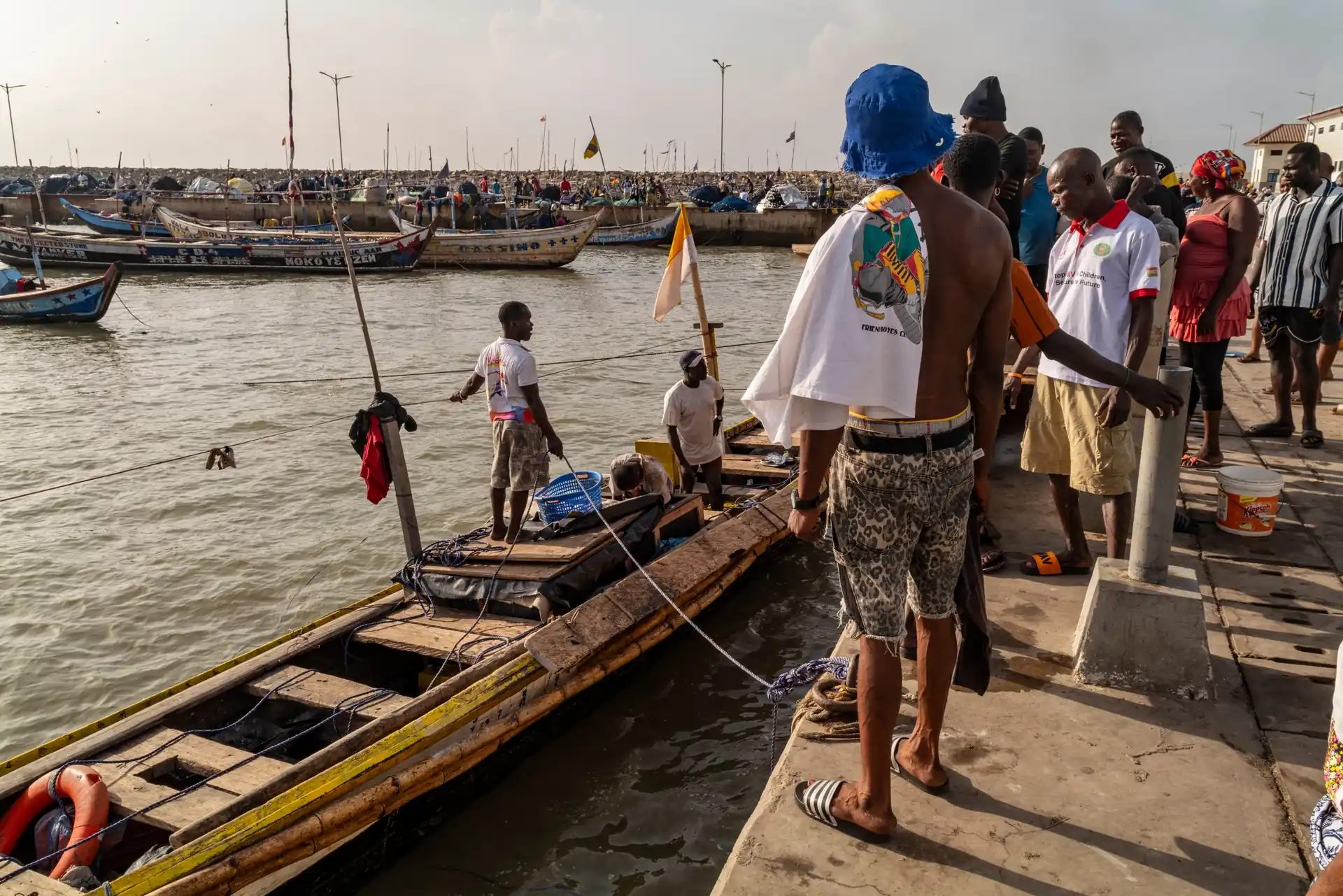
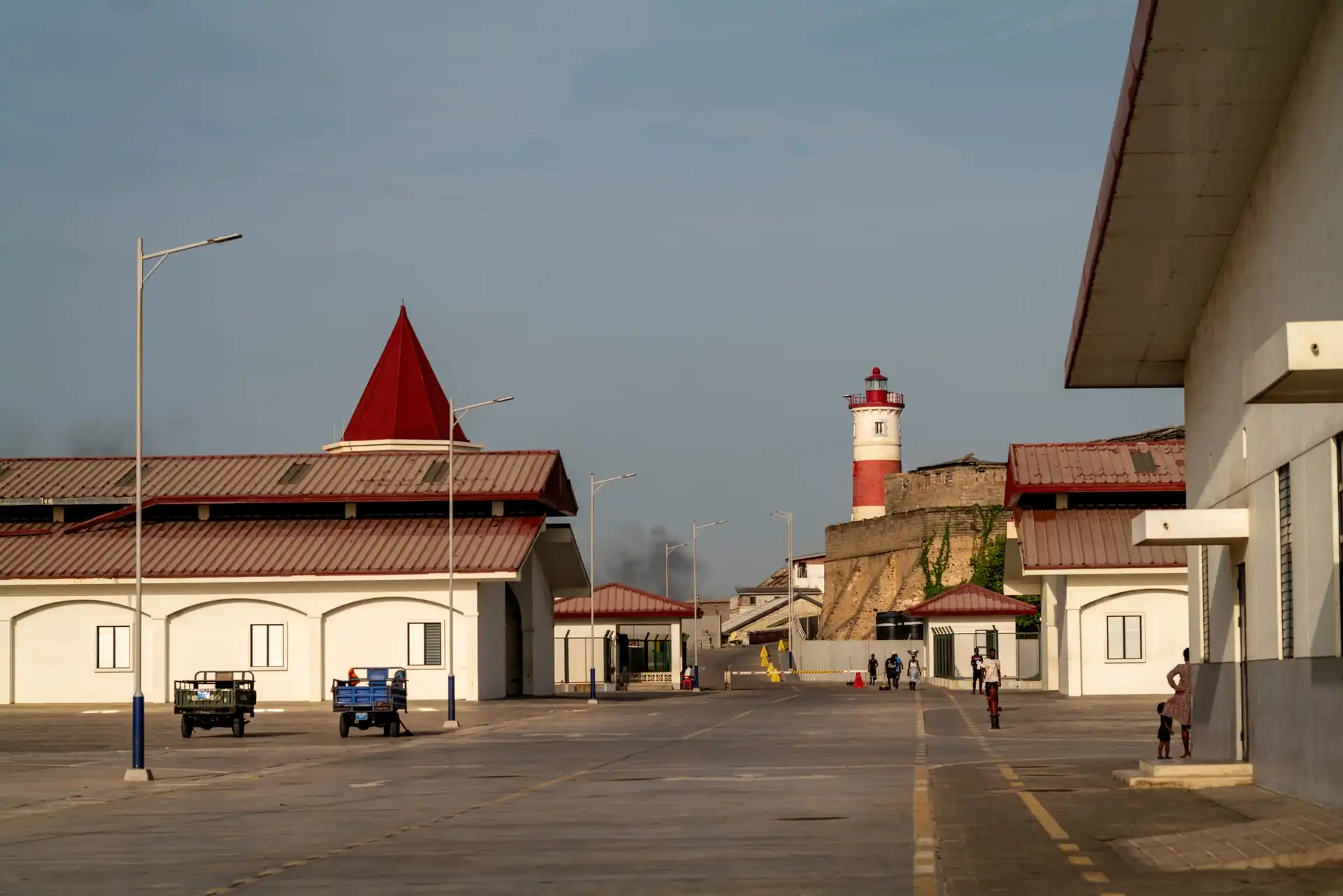
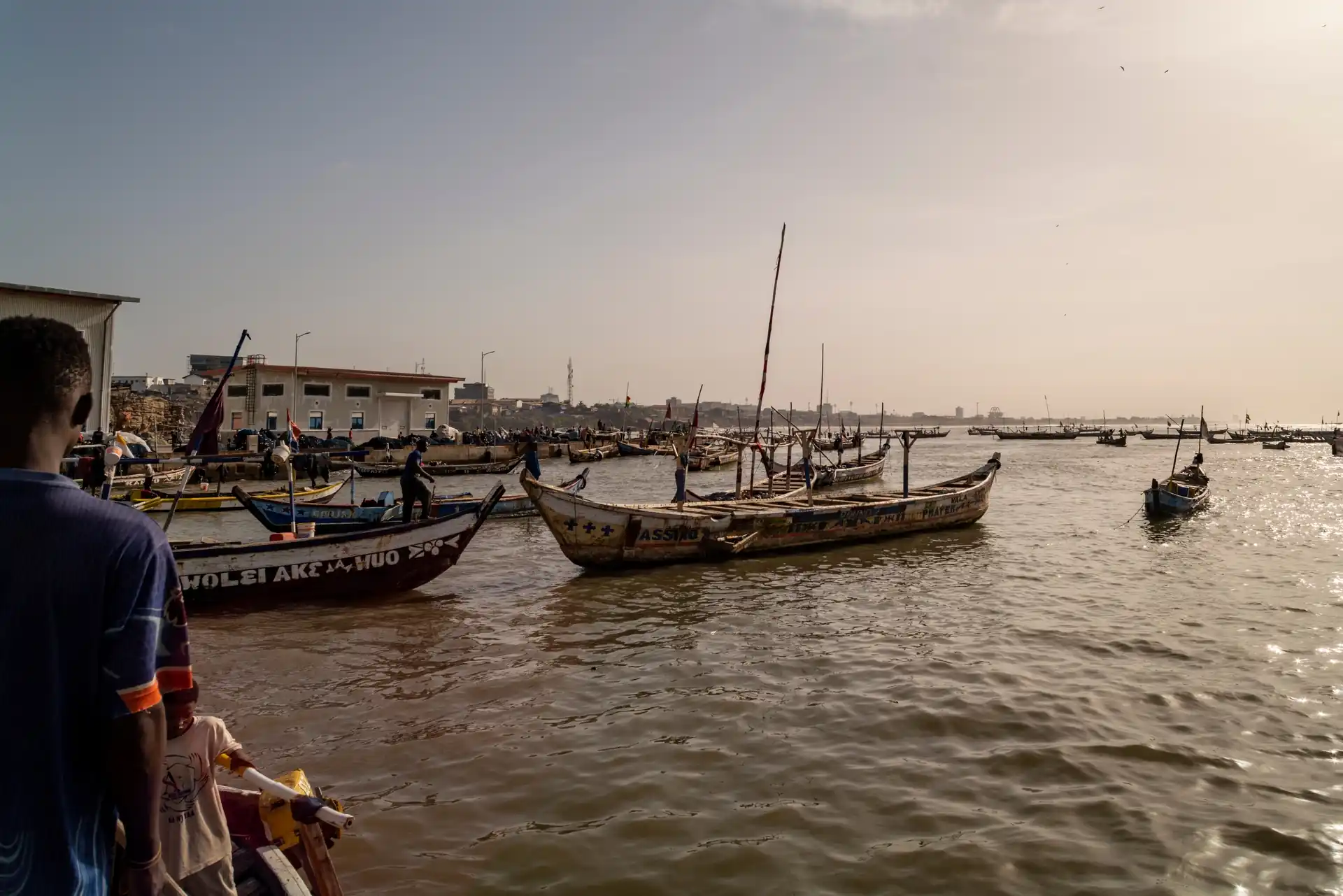
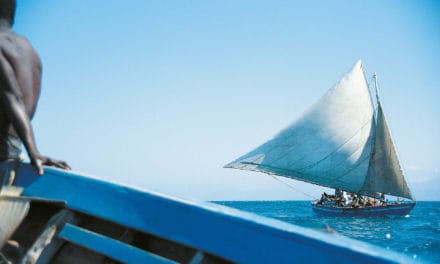
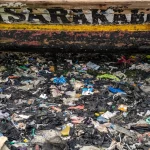
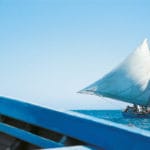
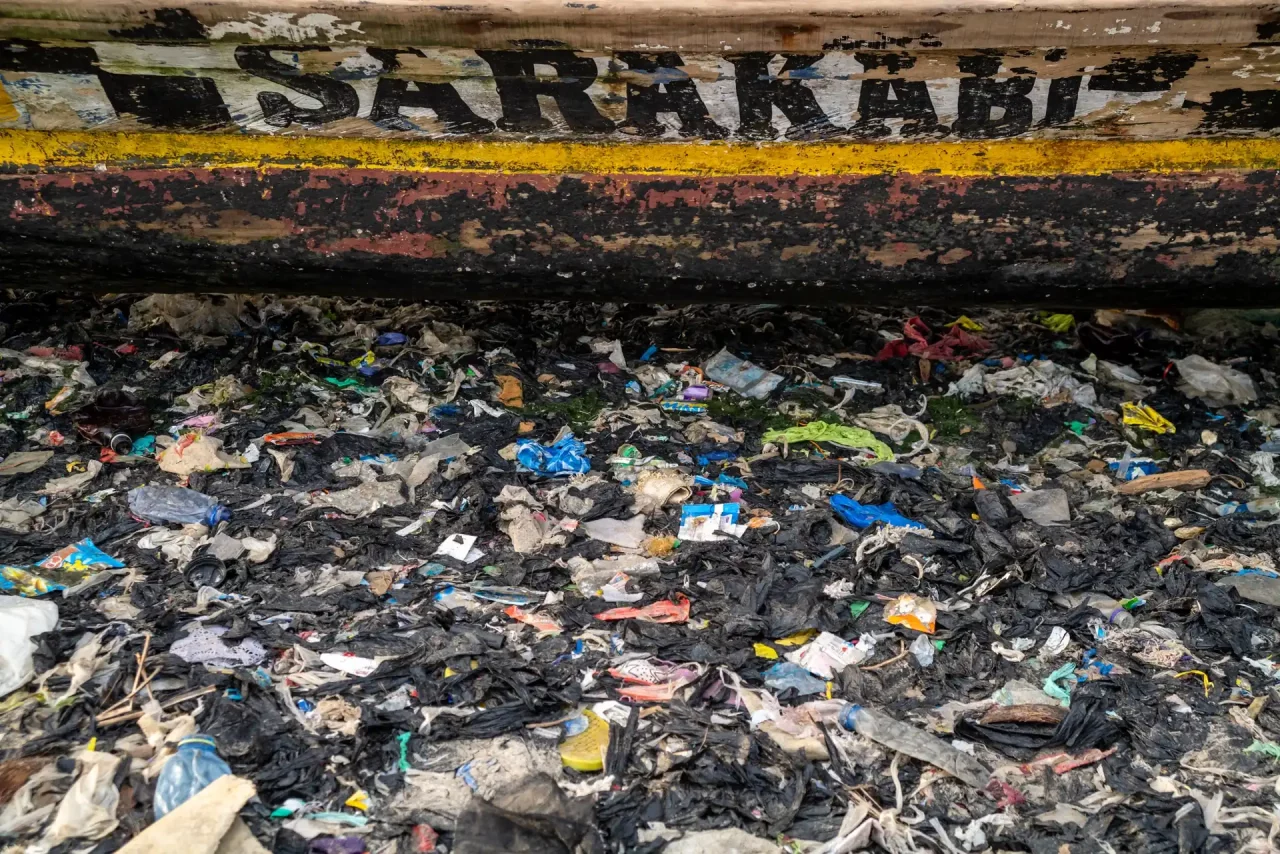
Just meters from the gleaming quays of the new Jamestown Fishing harbour – inaugurated with ceremony on 13 September 2024 by President Akufo-Addo, financed by US$50 million in Chinese aid – the beach lies buried under a dense carpet of plastic waste. Men haul motorised flat-bottomed boats through water saturated with bottles, bags and packaging. Colourfully painted pirogues rest on a shoreline barely recognisable beneath the debris.
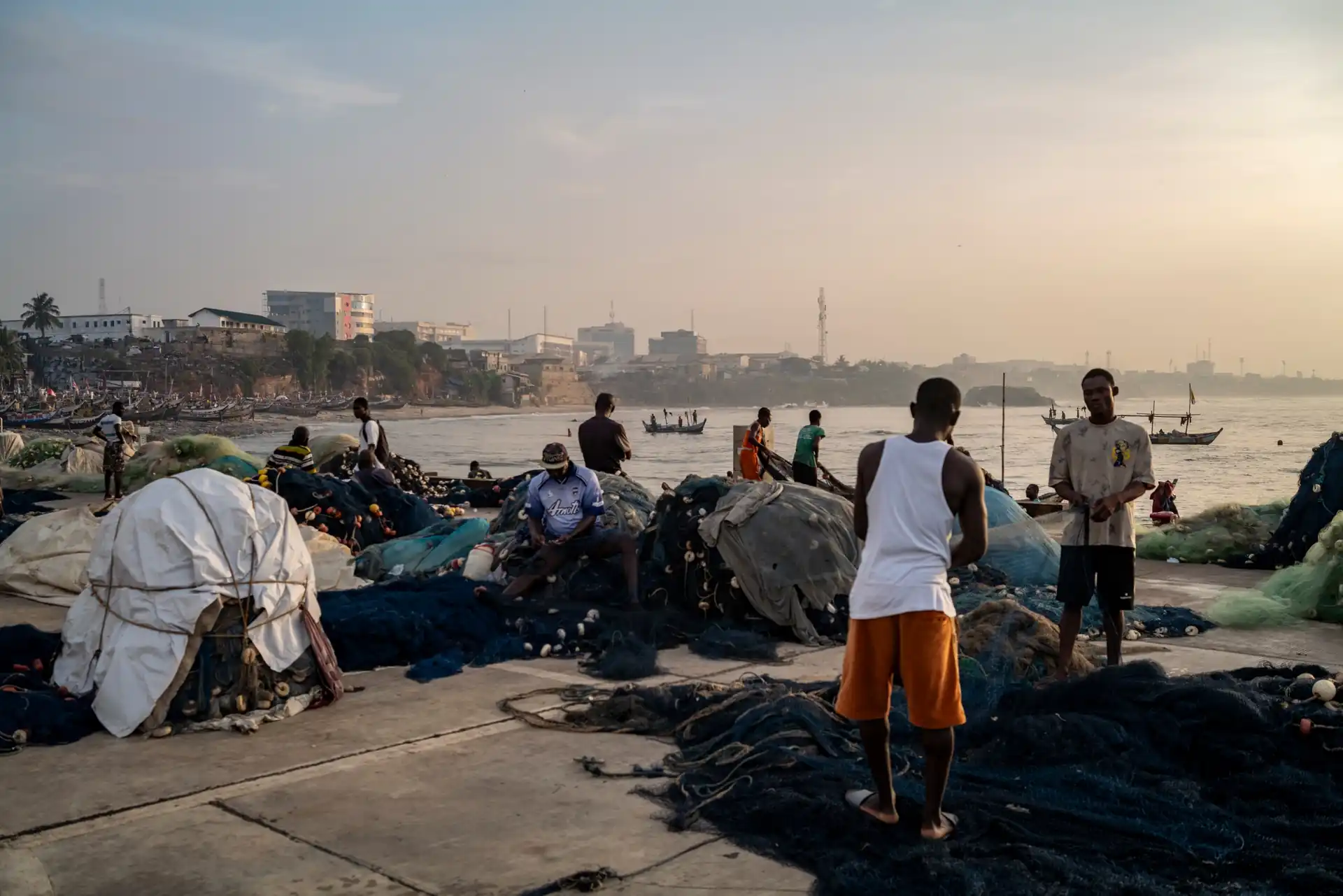
This brutal contrast is the heart of this story. The Korle Lagoon, one of the most polluted waterways in West Africa, empties into the sea at the edge of Jamestown, depositing Accra’s urban waste daily onto a coastline where the Ga Mashie community has fished since the 17th century. The result is a double pollution: onshore, making fishermen’s work more dangerous and exhausting; offshore, degrading marine habitats and deepening the decline of catches.
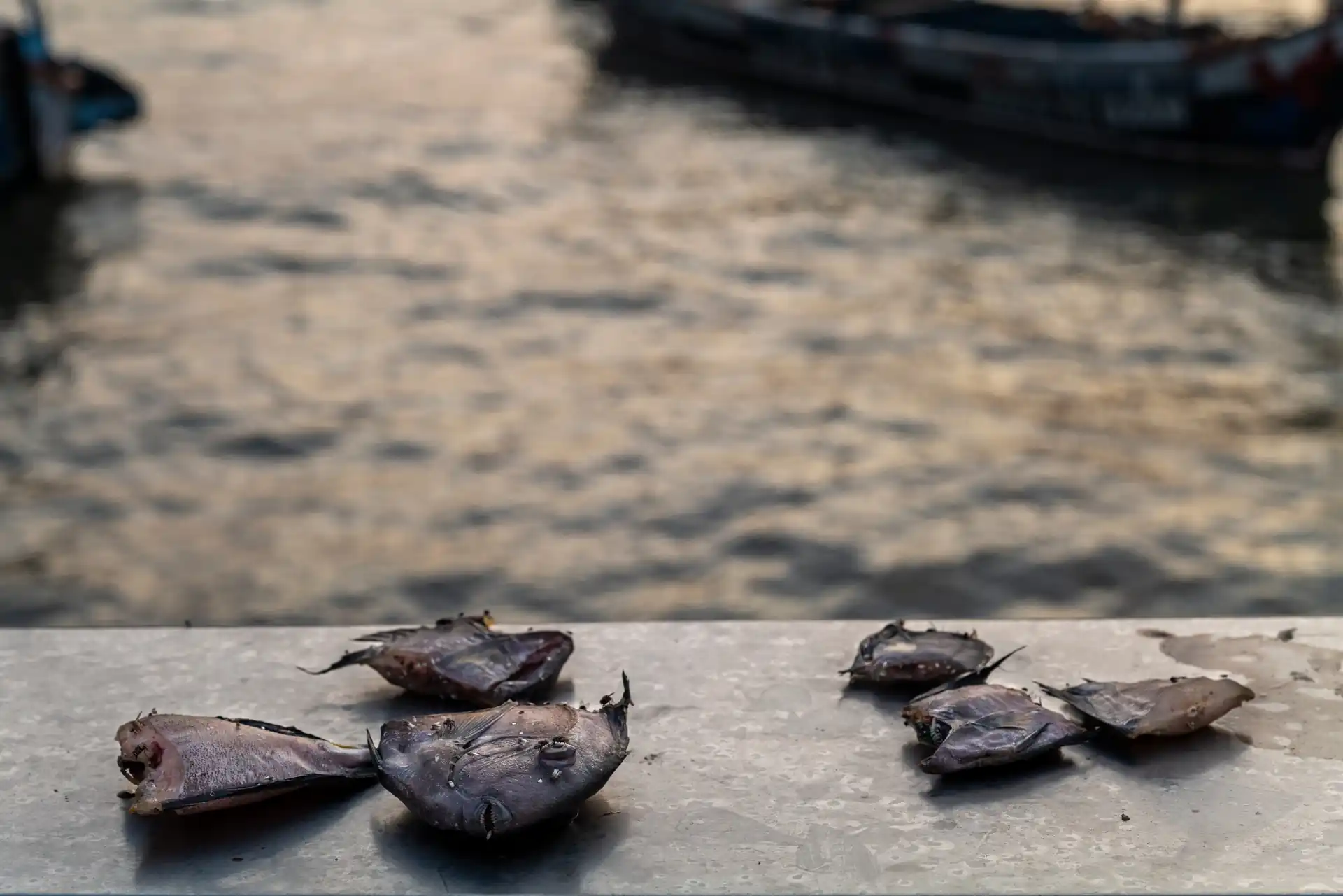
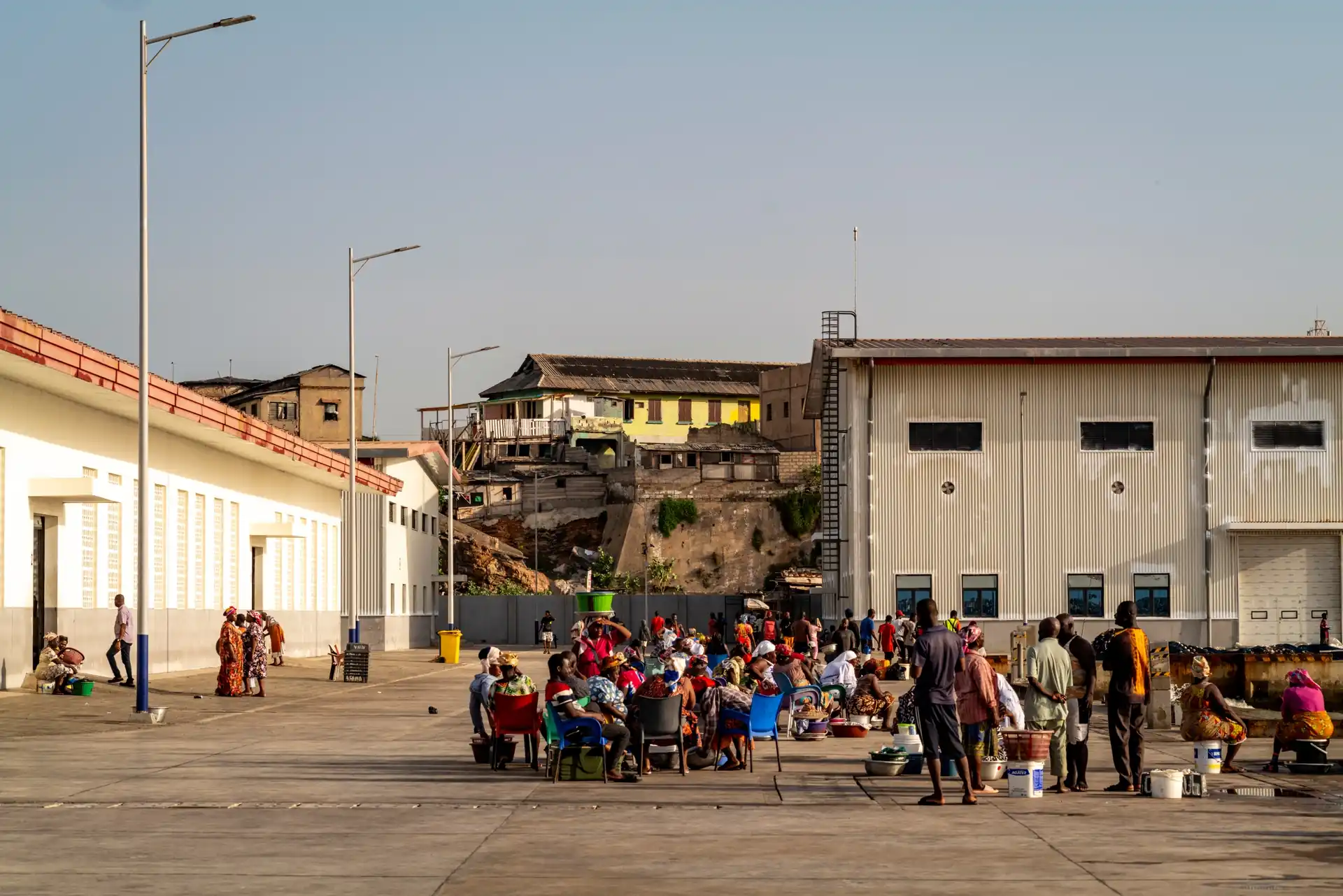
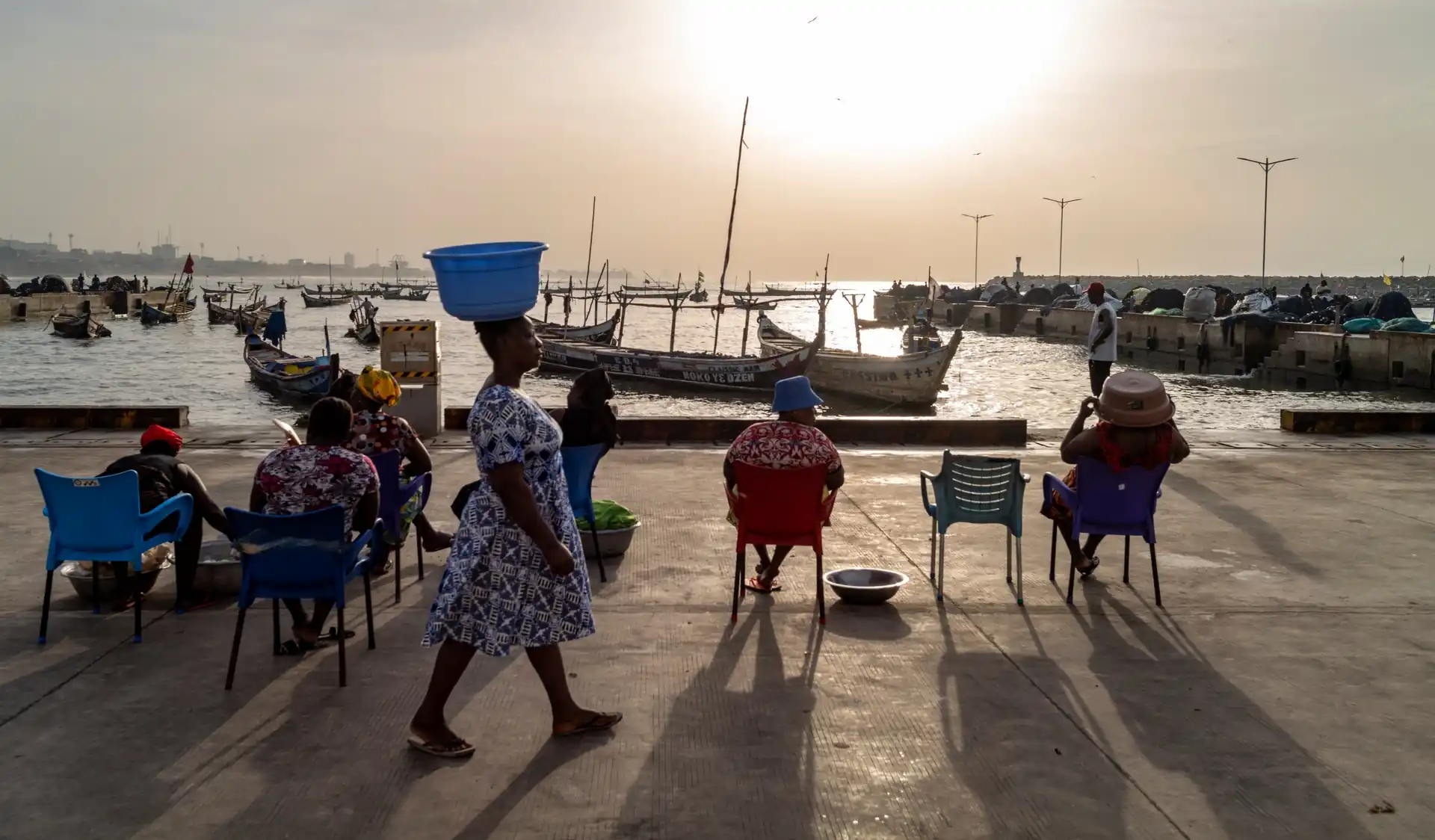
And the catches have fallen. The fish traders who wait at dawn on the new concrete quay often leave with barely filled basins. The market halls, designed for 200 vendors per day, remain largely empty. Modernising port infrastructure, however ambitious, cannot alone offset a systemic environmental crisis.
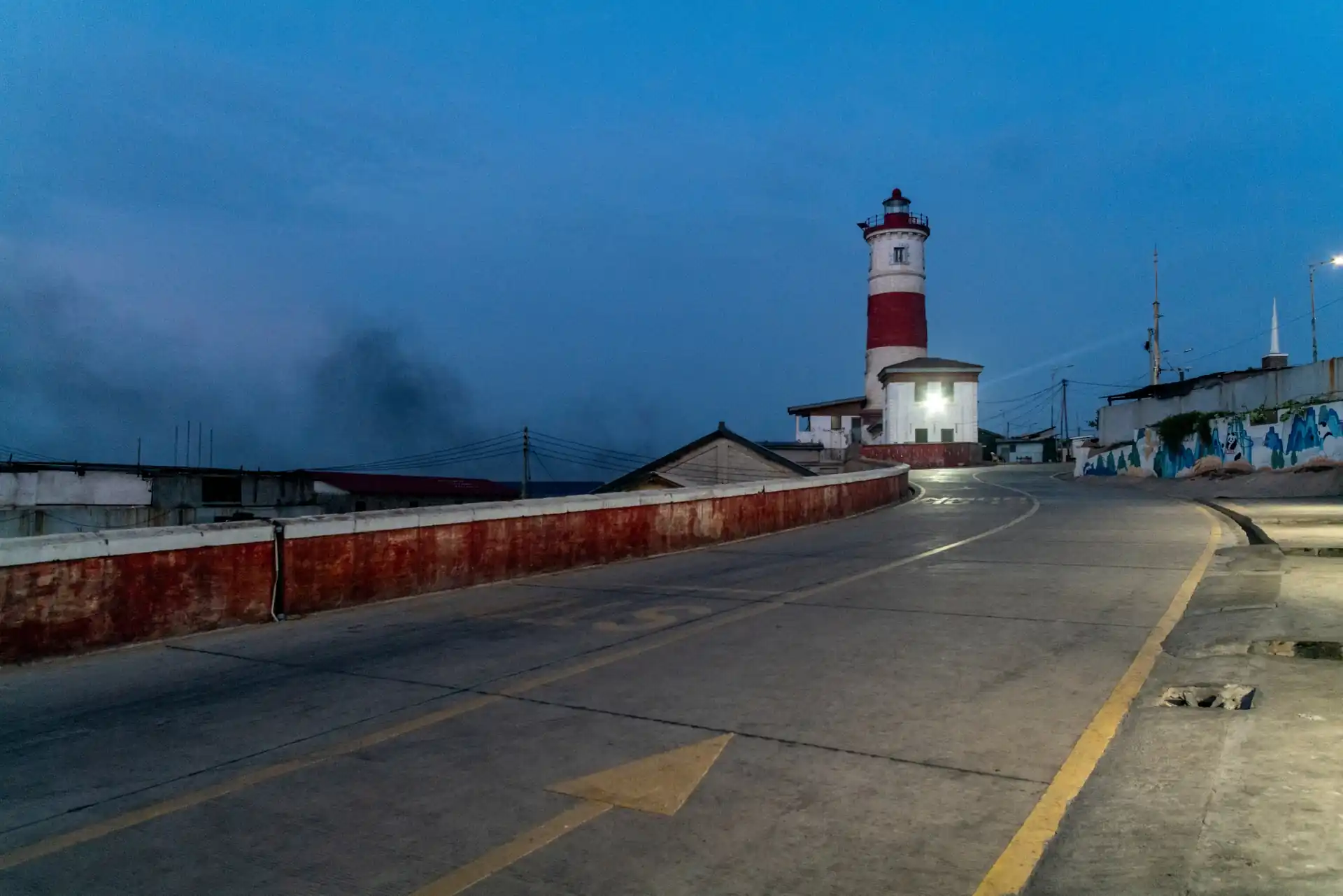
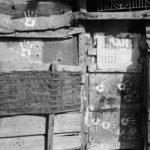
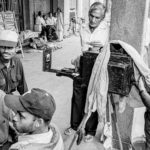
Jamestown offers a historical lesson too. This neighbourhood born in the shadow of a slave-trading fort, whose waters witnessed generations deported to the Americas, now faces another form of dispossession: that of its natural environment. The images of this story document the daily life of a resilient community caught between a colonial past, a Sino-Ghanaian modernisation and a silent environmental catastrophe.
Tarek Charara
Text and images © 2026 Tarek Charara/Kaleidos images.
All rights reserved.
Jamestown — The Plastic Sea
© Tarek Charara/Kaleidos images